

Vegan and chocolate
Table of Contents
Vegan and Chocolate: A Sweet Plant-Based Love Story
At first glance, vegan and chocolate might sound like an unlikely couple—like a pastry chef giving up butter or a brownie without crumbs on the plate. And yet, this duo works beautifully. Chocolate, in its purest form, is born from cacao beans, not cows. That simple fact opens the door to a world of rich, indulgent, and surprisingly light desserts that fit perfectly into a vegan lifestyle.
In this article, we will gently melt away the confusion around vegan chocolate. Is chocolate vegan by default? Why do some bars pass the vegan test while others fail it spectacularly? And most importantly, how can you turn dark, black, or baking chocolate into irresistible plant-based desserts without sacrificing taste, texture, or pleasure?
Expect clear answers, practical pastry tips, and a few playful truths along the way. From fast recipes to healthier twists, from dairy-free basics to gluten-free favorites, Vegan and chocolate is not about compromise—it is about discovering how smart choices can lead to better desserts.
Welcome to the cocoa side of plant-based baking, guided by ChocoChefAI. The apron is on, the chocolate is melting, and the myths are about to disappear.
Is Chocolate Vegan? Let’s Clear the Cocoa Fog
This is the question that melts more minds than chocolate in a warm kitchen: is chocolate vegan? The short answer is sometimes. The long answer—much more interesting—depends on what actually goes into the bar. Let’s lift the fog and look at chocolate the way a pastry chef does: ingredient by ingredient.
When Chocolate Is Naturally Vegan
At its core, chocolate is beautifully simple. Traditional chocolate is crafted using only a handful of plant-based ingredients:
- Cocoa mass (ground cacao beans)
- Cocoa butter (the natural fat from cacao)
- Sugar
Nothing here comes from animals. No milk, no cream, no butter. When chocolate stays faithful to these ingredients, it fits perfectly into a vegan diet.
This is why many dark chocolate and black chocolate varieties are naturally vegan. Dark chocolate usually contains a high percentage of cocoa mass and cocoa butter, with sugar for balance. Black chocolate goes even further, offering a deeper cocoa flavor with little to no added sweetness. Both are favorites in vegan baking because they deliver intensity without dairy.
In short, when the ingredient list is short and clean, vegan and chocolate live in perfect harmony.
When Chocolate Is Not Vegan
Things get complicated the moment chocolate tries to be “creamy.”
Milk chocolate is the main culprit. As the name suggests, it contains milk powder, milk solids, or condensed milk. These ingredients give chocolate a softer texture and sweeter taste—but they also disqualify it from being vegan.
Even some dark chocolates can be tricky. Watch out for hidden dairy ingredients, such as:
- Milk powder
- Whey
- Butterfat
- Lactose
These can sneak into recipes for texture or flavor, especially in commercial chocolate bars or candy. That is why reading labels is not optional—it is a pastry skill.
The rule is simple: chocolate is not vegan because of cocoa, but because of what gets added later. Once you know that, choosing the right chocolate becomes much easier—and far more delicious.
Is Chocolate Vegan and Gluten Free?
Once dairy steps aside, another question often walks onto the kitchen counter: is chocolate vegan and gluten free? The answer is encouraging—but, once again, details matter. Chocolate can absolutely be both vegan and gluten free, as long as a few precautions are respected.
Let’s break it down calmly, without crumbs or confusion.
Understanding Cross-Contamination
Pure chocolate ingredients—cocoa mass, cocoa butter, and sugar—are naturally gluten free. There is no wheat hiding in cacao beans. However, problems can arise during processing.
Some chocolates are made in facilities that also handle products containing gluten, such as cookies, wafers, or cereal-based fillings. In these cases, cross-contamination becomes a possibility, even if gluten is not listed as an ingredient.
This matters especially for people baking vegan and gluten free chocolate brownies or cakes, where precision is key. Baking chocolate is often safer than candy chocolate, as it tends to have simpler formulations and clearer labeling.
A practical rule from the pastry bench:
- Short ingredient list = fewer surprises
- Certified labels = extra peace of mind
Safe Choices for Vegan & Gluten-Free Baking
If your goal is stress-free baking, choose chocolate designed for cooking rather than snacking. Baking chocolate and high-quality dark chocolate bars usually avoid fillers, flavorings, and unnecessary extras.
Look for chocolates labeled:
- Vegan
- Gluten free
- Dairy free
These labels are especially helpful when preparing a vegan and gluten free chocolate cake or a light dessert meant for sharing. They allow you to focus on texture, flavor, and melted chocolate magic—not label detective work.
When chosen wisely, chocolate does not just behave—it performs. Smooth melts, deep cocoa flavor, and clean results make vegan and chocolate a reliable base for confident, inclusive baking.
Best Vegan and Chocolate Dessert Ideas
Now that the chocolate rules are clear, it is time for the fun part—the desserts. This is where vegan and chocolate truly shine, not as a substitute, but as a star. With the right techniques and ingredients, these recipes deliver bold flavor, soft textures, and that quiet moment of happiness after the first bite.
Below are three best-in-class ideas: fast to prepare, easy to understand, and designed to please everyone at the table.
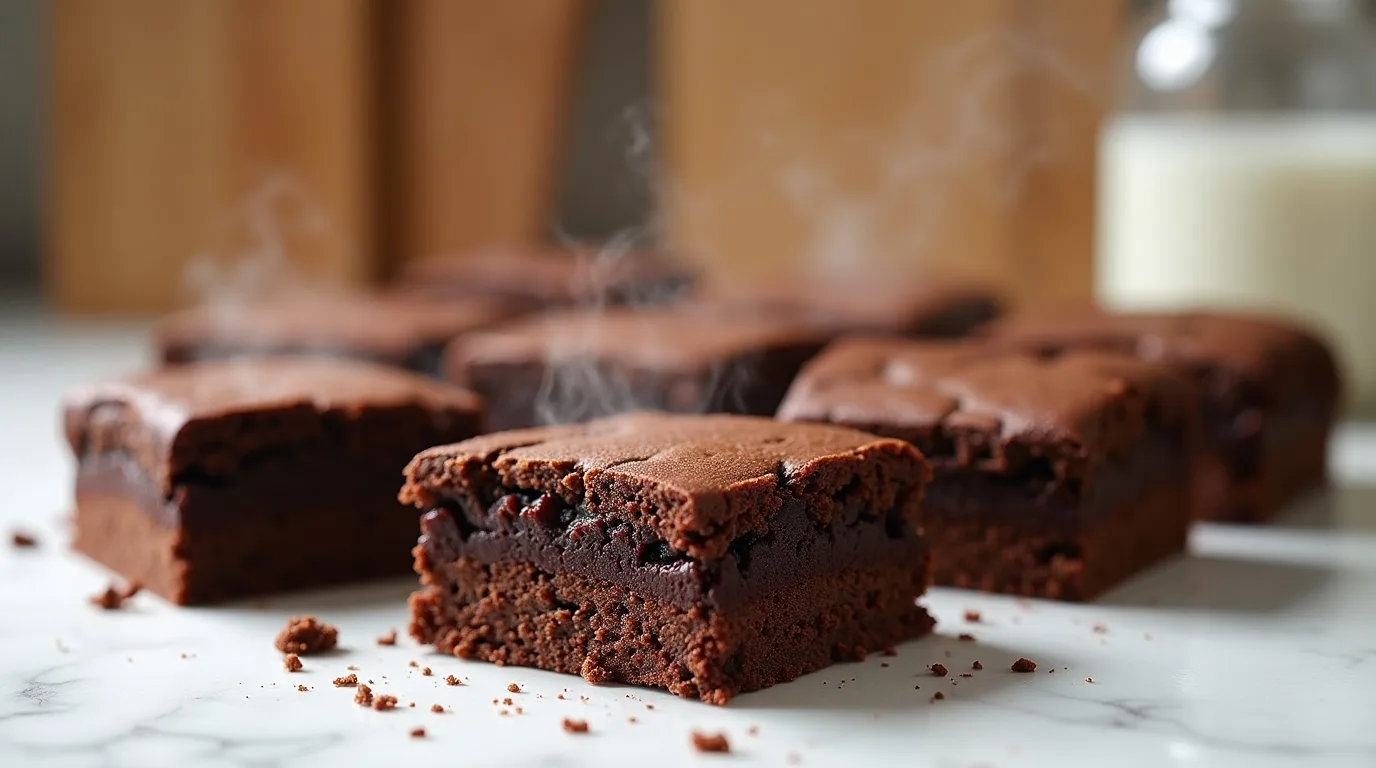
Vegan and Gluten Free Chocolate Brownies
These brownies prove that indulgence does not need dairy or gluten. The secret lies in dark chocolate, gently melted and paired with plant-based fats that keep the crumb moist and rich.
Expect:
- A soft center with slightly crisp edges
- Deep cocoa flavor without bitterness
- A texture that stays fudgy, not dry
This is the best recipe for busy bakers who want a quick chocolate recipe that still feels bakery-worthy. Perfect as a light dessert or an afternoon treat, these brownies disappear faster than they cool.
Vegan and Gluten Free Chocolate Cake
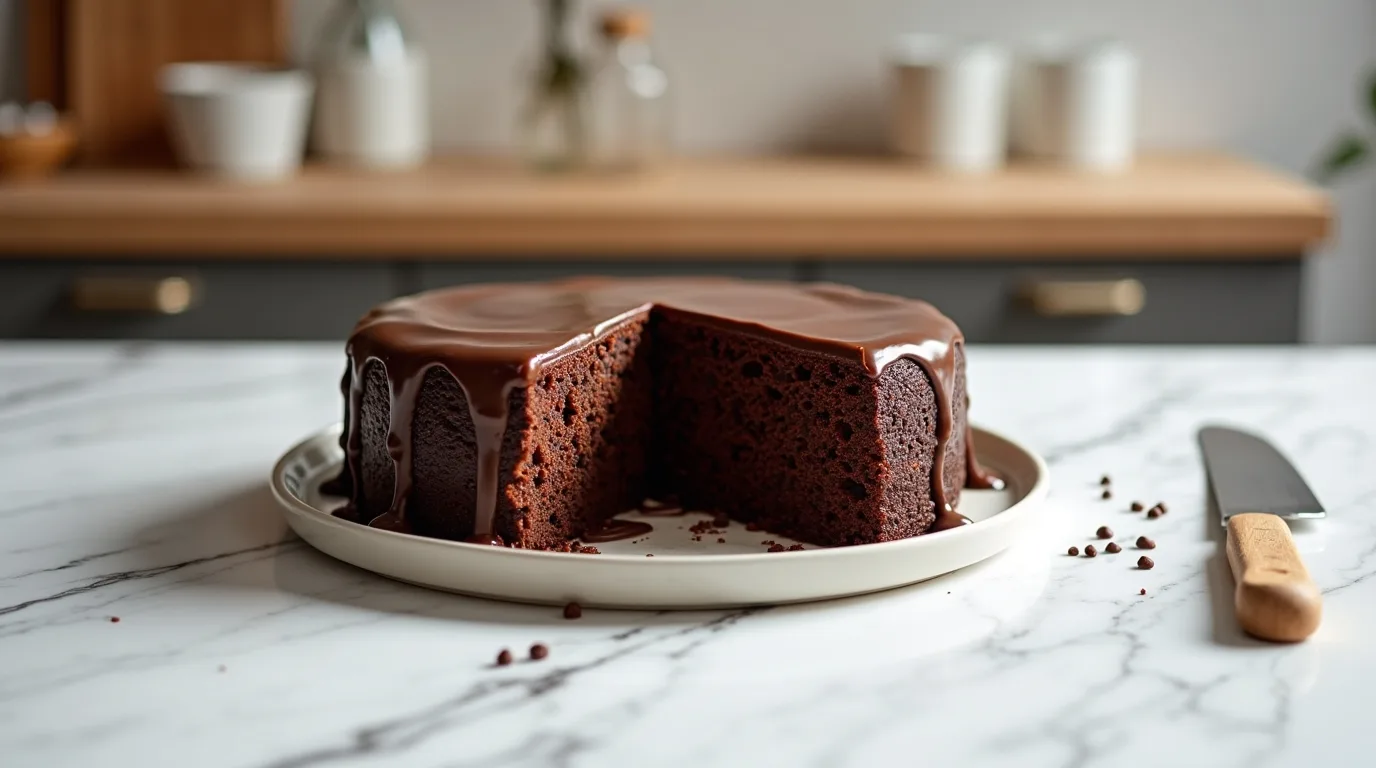
A good chocolate cake should be generous, not heavy. This version uses smart substitutions to create a balanced crumb that holds moisture without relying on eggs or milk.
Why it works:
- Baking chocolate adds structure and intensity
- Plant-based liquids keep the cake tender
- Simple mixing avoids overworking the batter
This cake fits beautifully into the world of healthy pastry, where flavor comes first and ingredients work together intelligently. It is proof that vegan baking can be both elegant and forgiving.
Vegan Banana and Chocolate Chip Bread
This one is comfort baking at its best. Naturally sweet bananas pair effortlessly with non dairy dark chocolate, creating a soft, fragrant loaf that needs very little effort.
What makes it special:
- Bananas replace eggs and reduce added sugar
- Chocolate chips melt gently, not aggressively
- The result is moist, light, and sliceable
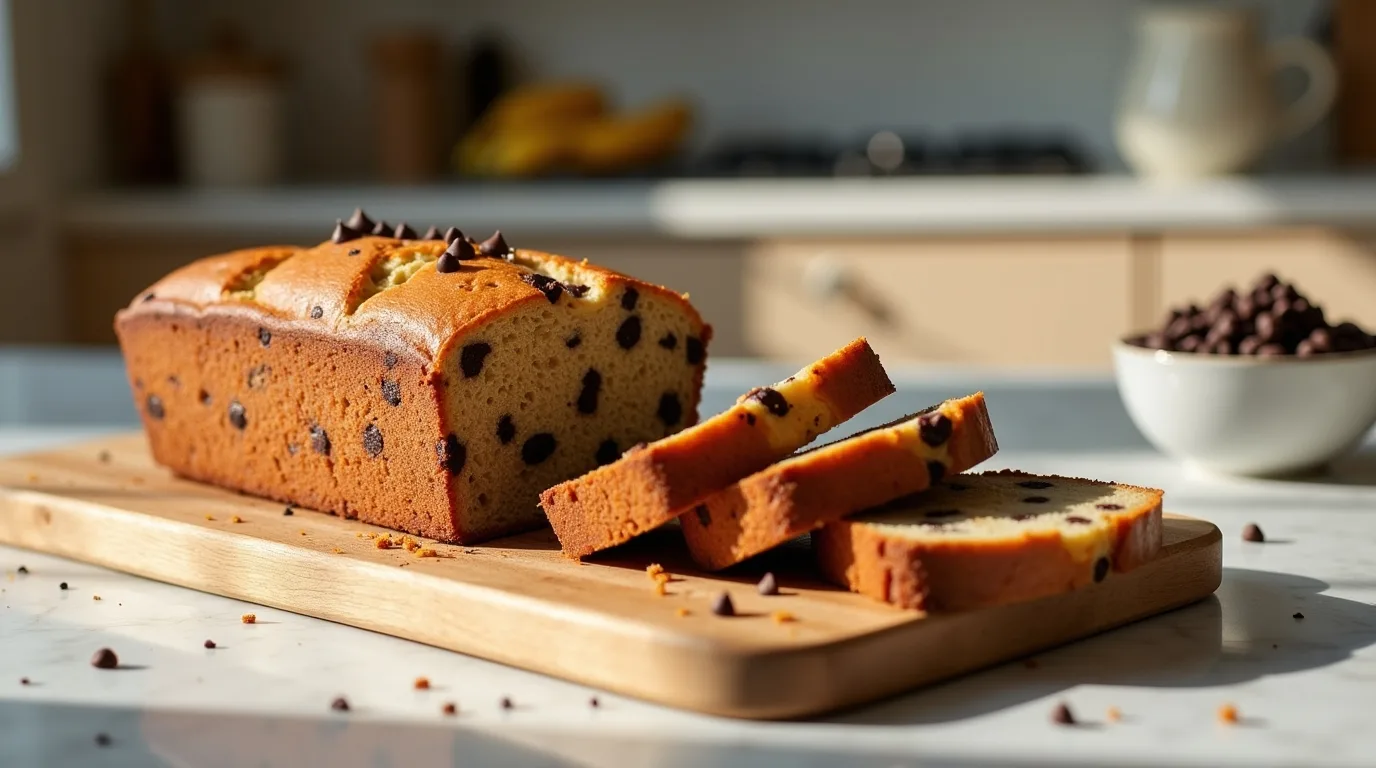
Ideal for breakfast, snacks, or late-night cravings, this recipe shows how vegan and chocolate can feel familiar, cozy, and quietly impressive.
Vegan Candy and Chocolate: What to Know Before You Bite
Chocolate desserts are one thing. Candy is another story entirely. When it comes to vegan candy and chocolate, the rules change slightly, and surprises are common—sometimes pleasant, sometimes not. Before you unwrap, let’s clarify what truly belongs in a vegan pantry.
Are Dark Chocolate M&M’s Vegan?
This question appears often, and the answer is clear: no. Despite their dark chocolate label, dark chocolate M&M’s contain milk-derived ingredients. The coating and chocolate base rely on dairy to achieve their signature texture and shine.
This is a classic example of why the word dark does not automatically mean vegan. Candy formulas prioritize consistency and shelf life, which often leads to added dairy—even when cocoa content is higher.
The takeaway is simple: if the product is candy first and chocolate second, double-check everything.
Vegan Valentines Chocolate Explained
Valentine’s Day and chocolate are inseparable, but many heart-shaped boxes are far from vegan-friendly. Creamy fillings, milk chocolate shells, and decorative glazes usually contain dairy.
The good news? Vegan Valentines chocolate has evolved. Today, many brands focus on:
- Dark or black chocolate shells
- Fruit, nut, or ganache-style plant-based fillings
- Clean ingredient lists with clear labeling
For a more personal touch, homemade vegan chocolate gifts often win. With melted chocolate, a basic mold, and carefully selected flavors, you can create desserts that feel indulgent without any hidden additives.
In the world of vegan and chocolate, candy is not forbidden—it just demands attention. Once you know what to avoid, the sweet choices become much easier and far more enjoyable.
Vegan Dark Chocolate Brands and Dairy-Free Options
Choosing the right chocolate is not about memorizing brand names—it is about understanding what makes a chocolate truly compatible with vegan baking. Once you know the rules, navigating vegan dark chocolate brands becomes simple, confident, and even a little satisfying.
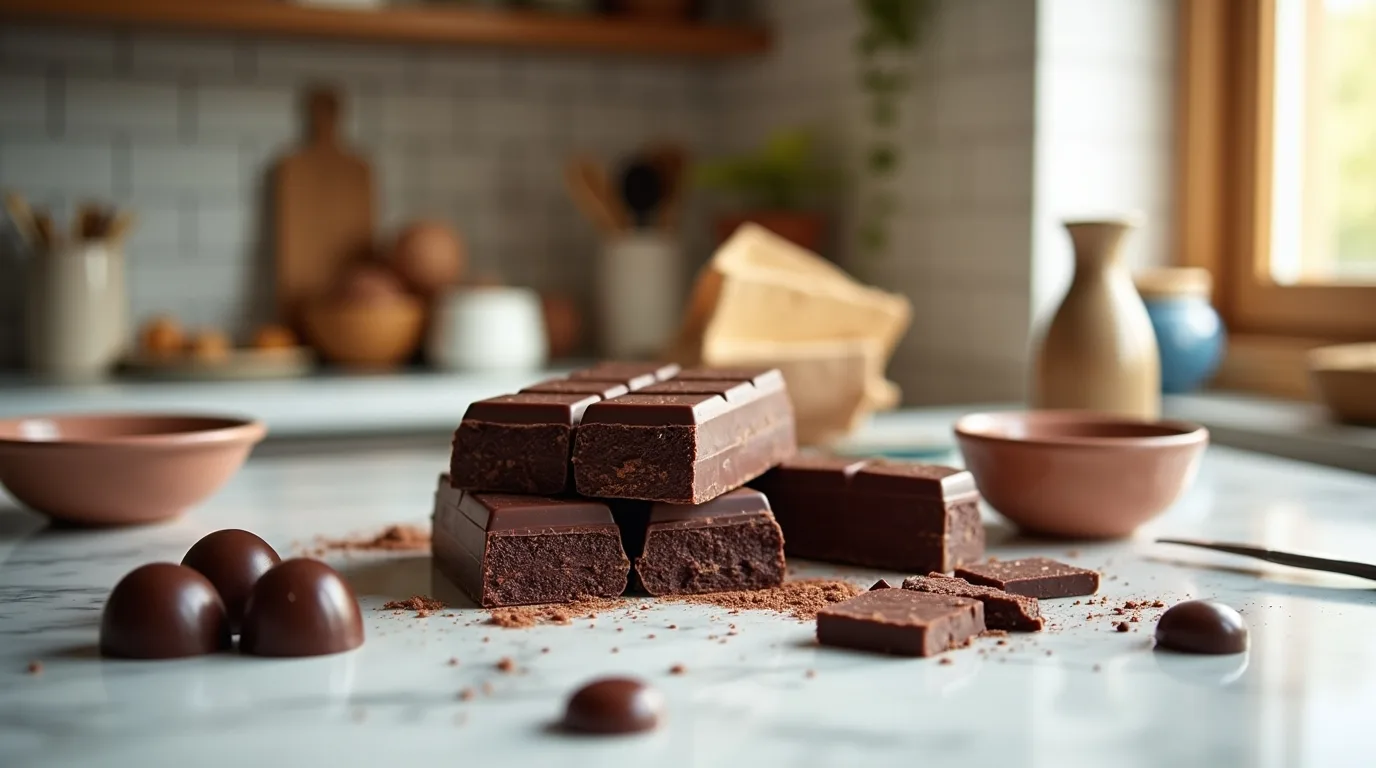
Non Dairy Dark Chocolate Basics
A non dairy dark chocolate relies on cocoa butter, not milk fat, for its smooth texture. This is good news for bakers, because cocoa butter melts cleanly and behaves predictably in recipes.
When selecting chocolate, look for:
- High cocoa percentage
- Short, readable ingredient lists
- Clear “dairy free” or “vegan” labeling
These chocolates are ideal for melted chocolate applications, such as glazes, brownies, and light desserts. They deliver intensity without heaviness and allow other flavors—vanilla, fruit, nuts—to shine.
Dark and black chocolate are especially valued in healthy pastry because they require less sugar to feel rich. A little goes a long way.
Reading Labels Like a Pastry Pro
Professional bakers read labels the way musicians read sheet music. Every word matters.
Here is what to scan first:
- Allergen statements for milk or traces of dairy
- Ingredient order (milk near the top is a red flag)
- Add-ons like caramel, fillings, or coatings
Even when chocolate is vegan, it may not be gluten free unless clearly stated. This matters when baking for guests or preparing a light recipe meant to suit multiple diets.
Once you master label reading, vegan and chocolate stop feeling restrictive. Instead, they become a toolkit—one that gives you full control over flavor, texture, and confidence in every dessert you serve.
Baking Tips for Perfect Vegan Chocolate Desserts
Knowing which chocolate is vegan is only half the battle. The real magic happens when you transform it into desserts that taste indulgent, look irresistible, and behave perfectly in the oven. Here are some pastry tips that make vegan chocolate baking a breeze.
Melted Chocolate Without Stress
Melting chocolate can be intimidating—but with a few tricks, it becomes effortless:
- Double boiler method: Place a heatproof bowl over simmering water and stir gently until smooth. No direct heat means no burnt chocolate.
- Microwave method: Warm in 20–30 second intervals, stirring after each burst. Patience beats speed every time.
- Add a touch of fat if needed: A teaspoon of coconut oil or cocoa butter helps thin chocolate for drizzling or glazing.
Smooth, glossy melted chocolate is the backbone of many quick chocolate recipes and light desserts, from drizzled brownies to decorative banana bread slices.
Choosing the Right Chocolate for Each Recipe
Not all chocolate is interchangeable. Here’s a quick guide:
| Recipe Type | Chocolate Recommendation | Tip |
| Brownies | Dark chocolate, 60–70% cocoa | Provides deep cocoa flavor without excess sugar |
| Cakes | Baking chocolate or vegan chocolate chips | Holds structure and melts evenly in batter |
| Banana Bread / Muffins | Non dairy dark chocolate chips | Adds pockets of gooey richness without affecting texture |
| Glazes & Decorations | Melted vegan dark chocolate | Use a little coconut oil to achieve a shiny finish |
| Candy & Vegan Treats | Certified vegan chocolate bars | Check allergen labels for dairy or gluten |
This table ensures you use the right chocolate for the job, whether it’s a fast recipe or a more refined chocolate dessert.
Mastering these techniques allows you to bake chocolate like a pro—without eggs, milk, or compromise. Next, we’ll tackle common vegan chocolate questions that every ChocoChefAI follower asks.
Quick Answers to Popular Vegan Chocolate Questions
Even seasoned bakers hit moments of doubt. “Is this chocolate vegan?” or “Can I mix this ingredient safely?” are questions we all face. Here’s a friendly, comic, and clear guide to the most common queries about vegan and chocolate.
Is Good & Gather Hot Chocolate Vegan?
Yes, most Good & Gather hot chocolate mixes are vegan-friendly, but always check the label for dairy derivatives. Some flavored varieties may include milk powder or cream, so stick to the classic cocoa mix for guaranteed plant-based goodness.
Is Jif Peanut Butter and Chocolate Vegan?
Not entirely. While Jif peanut butter itself is vegan, the chocolate varieties often contain milk or milk derivatives. If you want a dairy-free chocolate spread, look for brands specifically labeled vegan—your taste buds won’t know the difference.
Milk Chocolate vs Dark Chocolate Recap
- Milk chocolate: Usually not vegan due to milk solids or butterfat.
- Dark chocolate: Often vegan, but check for hidden dairy ingredients.
- Black chocolate: Deep cocoa flavor, typically vegan, ideal for baking.
Understanding the difference helps you confidently choose ingredients for vegan and gluten-free chocolate brownies, cakes, or breads—saving time and preventing unexpected results in the oven.
Final Thoughts from ChocoChefAI
Baking with vegan and chocolate doesn’t have to be complicated, intimidating, or a compromise on flavor. In fact, it can be downright fun—like a little cocoa-powered adventure in your own kitchen. Once you understand which chocolates are naturally vegan, how to read labels, and the simple tricks for melting and baking, the possibilities are endless.
From vegan and gluten free chocolate brownies to a soft banana and chocolate chip bread, each dessert proves that plant-based doesn’t mean boring. The key is smart choices, quality ingredients, and a playful approach—a dash of humor, a pinch of patience, and a generous pour of melted chocolate can turn any recipe into a showstopper.
Remember: chocolate in vegan baking isn’t about restriction; it’s about exploration. Try new brands, experiment with non-dairy options, and don’t be afraid to mix flavors. With guidance from ChocoChefAI, your kitchen can become a chocolate haven where taste, ethics, and creativity meet.So grab your apron, warm your oven, and let your inner pastry chef discover just how sweet life can be—all without dairy, all with chocolate, all vegan.