

History of chocolate
Table of Contents
Introduction
Chocolate did not begin as a sweet treat wrapped in shiny paper. Long before cakes, cookies, and desserts, chocolate was a bold and bitter discovery made from cocoa beans. Over centuries, it traveled across continents, changed flavors, and slowly became one of the most loved ingredients in the world.
In this article, we explore the history of chocolate, from its ancient roots to modern desserts. You’ll discover where cocoa comes from, how chocolate evolved, and why it continues to inspire bakers and dessert lovers everywhere.
What Is the History of Chocolate?
The history of chocolate is the story of how a bitter plant became one of the world’s most loved treats. Long before chocolate bars, cakes, and cookies existed, chocolate started as a simple idea: using cocoa beans to create a powerful drink. Over time, this idea traveled across continents, changed flavors, and slowly turned into the sweet chocolate desserts we enjoy today.
At its core, the history of chocolate explains where chocolate comes from, who first used cocoa, and how chocolate evolved from a ceremonial beverage into an everyday pleasure. Chocolate was not always sweet. In fact, the earliest versions were dark, intense, and often mixed with spices instead of sugar. Sweetness came much later.
Chocolate’s journey is also a story of curiosity and creativity. Different cultures discovered cocoa, experimented with it, and adapted it to their tastes. As chocolate moved from ancient civilizations to Europe, it was transformed by new ingredients like sugar and milk. This is when chocolate began to look—and taste—more familiar.
Understanding the history of chocolate helps explain:
- Why cocoa is the heart of all chocolate
- How dark chocolate, milk chocolate, and baking chocolate were created
- Why chocolate plays such an important role in desserts and pastry today
In short, the history of chocolate is not just about food. It is about culture, innovation, and pleasure, shaped over centuries. And every time you enjoy a chocolate dessert, you are tasting a small piece of that long and delicious story.
Where Does Cocoa Come From?
To understand chocolate, we must first travel to its source. Cocoa does not begin in a factory or a kitchen. It begins in warm, humid regions near the equator, where nature provides the perfect conditions for one very special tree. Cocoa is the foundation of all chocolate, and its origins are deeply rooted in both geography and ancient culture.
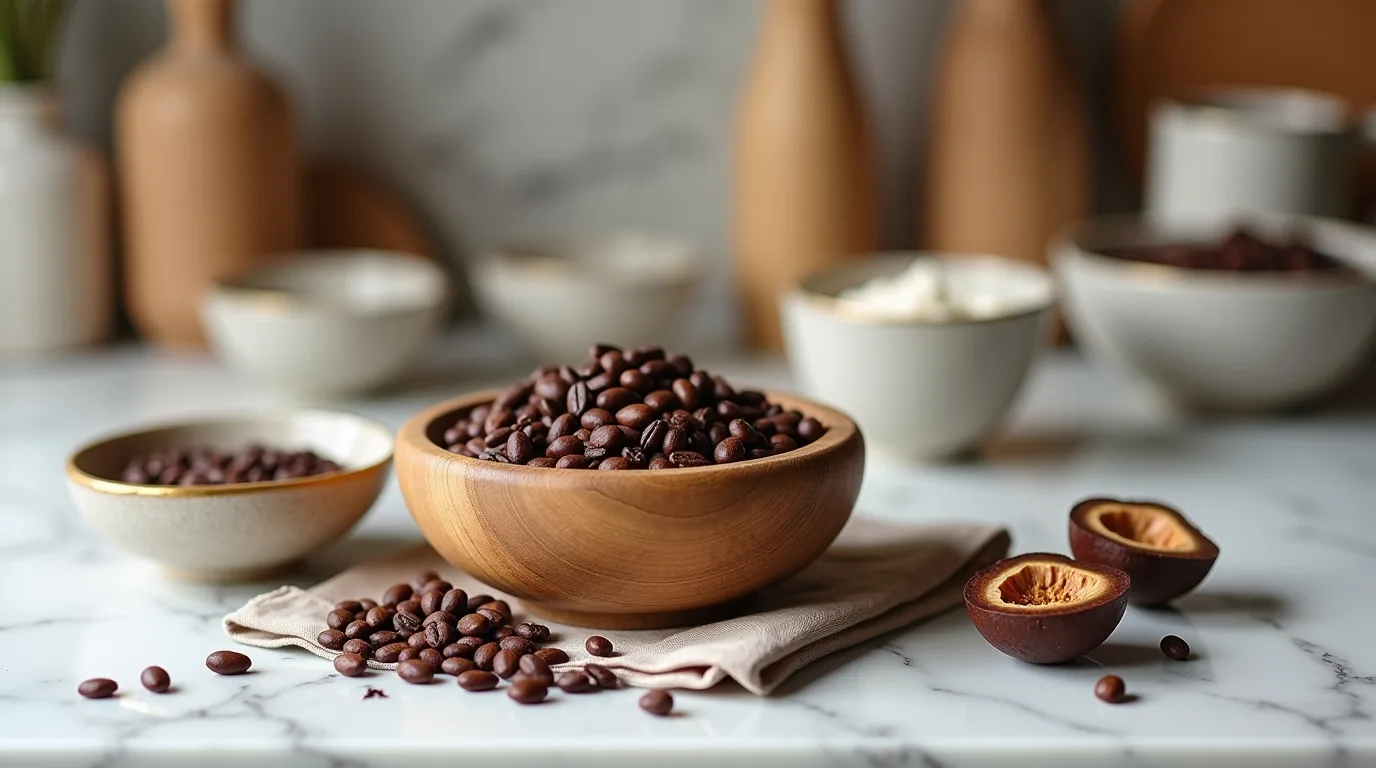
Cocoa comes from the cacao tree, a delicate plant that thrives in tropical climates. Without cocoa, there would be no dark chocolate, no milk chocolate, and certainly no chocolate desserts. Every bite of chocolate starts its life as a cocoa bean grown in these rich, fertile lands.
The Cacao Tree and Its Ancient Roots
The cacao tree grows naturally in regions with steady heat, shade, and rainfall. These conditions are found mainly in Central America, South America, West Africa, and parts of Southeast Asia. The tree produces colorful pods, each filled with cocoa beans surrounded by a sweet, white pulp.
What makes the cacao tree special is its sensitivity. It needs careful growing, patient harvesting, and precise handling. This is why cocoa has always been considered a valuable ingredient. Long before modern farming, ancient people understood that cacao was rare, powerful, and worth protecting.
The cacao tree has been growing for thousands of years. Its beans were not discovered by accident. Early communities learned how to harvest, ferment, and dry cocoa beans to unlock their deep, complex flavor. This knowledge was passed down through generations, long before chocolate became sweet or familiar.
How Early Civilizations Used Cocoa
Early civilizations did not eat chocolate the way we do today. Instead, cocoa was transformed into a bitter drink. The beans were crushed, mixed with water, and sometimes flavored with spices or herbs. Sugar was not part of the recipe, which made the drink bold and intense.
For these civilizations, cocoa was more than food. It was used in rituals, celebrations, and even daily life. Cocoa symbolized strength, energy, and importance. In some cultures, cocoa beans were so valuable that they were used as a form of currency.
This early use of cocoa shows how deeply chocolate is connected to human history. What began as a sacred, bitter beverage slowly laid the groundwork for everything chocolate would become. These ancient traditions shaped the way cocoa was respected, prepared, and eventually transformed into the chocolate we know today.
Who Invented Chocolate?
One of the most common questions in the history of chocolate is simple: who invented chocolate? The surprising answer is that no single person invented chocolate. Chocolate did not appear overnight. Instead, it evolved slowly over time, shaped by many cultures, discoveries, and taste preferences.
Chocolate began as an idea, not a recipe. Early civilizations discovered cocoa and learned how to use it, long before chocolate became sweet, solid, or widely enjoyed. What we call “chocolate” today is the result of centuries of experimentation and transformation.
Who Found Chocolate First?
The first people to find chocolate did not find candy bars or desserts. They discovered cocoa beans growing inside cacao pods. Ancient civilizations in Central America were among the earliest to use cocoa. They recognized that these beans could be crushed and turned into a powerful drink.
This discovery was not accidental. Early communities carefully observed nature and experimented with cocoa until they understood its value. Cocoa quickly became important in daily life, rituals, and social traditions. At this stage, chocolate was not sweet, creamy, or soft. It was bold, bitter, and full of character.
So when people ask who found chocolate, the real answer is that entire civilizations played a role. Chocolate was born through shared knowledge, not a single moment of invention.
From Bitter Drink to Sweet Delight
For a long time, chocolate remained a bitter beverage. Sugar was unknown or rare, and cocoa was enjoyed for its strength rather than its sweetness. Everything changed when chocolate traveled beyond its original home and met new ingredients.
As sugar, milk, and new processing techniques became available, cocoa was transformed. The harsh bitterness softened, textures improved, and chocolate became smoother and more pleasant to eat. This evolution turned chocolate from a ceremonial drink into a treat enjoyed for pleasure.
This slow transformation explains why chocolate feels both ancient and modern at the same time. It was not invented once—it was refined again and again, until it became the chocolate we recognize today.
The History of Chocolate in Europe
When chocolate arrived in Europe, its story changed direction. What had once been a bold, bitter drink used for rituals slowly became a refined pleasure enjoyed by the wealthy. The history of chocolate in Europe is a tale of curiosity, luxury, and culinary creativity that reshaped chocolate forever.
Europe did not simply adopt chocolate. It transformed it. New ingredients, new tools, and new tastes turned cocoa into something smoother, sweeter, and more elegant.
Chocolate Arrives in Europe
Chocolate reached Europe through exploration and trade. At first, it was seen as exotic and unusual. The taste was strong, the texture unfamiliar, and the preparation very different from European traditions. Chocolate was served as a drink, often reserved for nobles and royalty.
Because cocoa was rare and expensive, chocolate quickly became a symbol of status. It was enjoyed in private gatherings and royal courts, where it was valued for both its flavor and its prestige. At this stage, chocolate was still closer to its original form, but curiosity pushed Europeans to experiment.
Over time, chocolate houses appeared, becoming places where people gathered to drink and discuss ideas. Chocolate was no longer only ceremonial—it was becoming social.
Sugar, Milk, and the Birth of Modern Chocolate
The true transformation of chocolate began when sugar and milk were added. Sugar softened the bitterness of cocoa, making it more enjoyable for a wider audience. Milk brought creaminess, changing both flavor and texture.
These simple additions marked the birth of modern chocolate. Chocolate became smoother, sweeter, and easier to love. This shift opened the door to new forms, including solid chocolate, baking chocolate, and eventually chocolate desserts.
From this point on, chocolate was no longer just a drink. It evolved into a key ingredient, a symbol of indulgence, and a wellspring of creativity for pastry chefs and bakers alike. Europe played a key role in turning chocolate into the indulgent pleasure we know today.
Dark, Milk, and Black Chocolate: How Styles Were Born
As chocolate evolved, it did not follow a single path. Different styles emerged, each with its own flavor, texture, and personality. Dark, milk, and black chocolate were born from small changes in ingredients and technique, yet each style created a completely different experience for the senses.
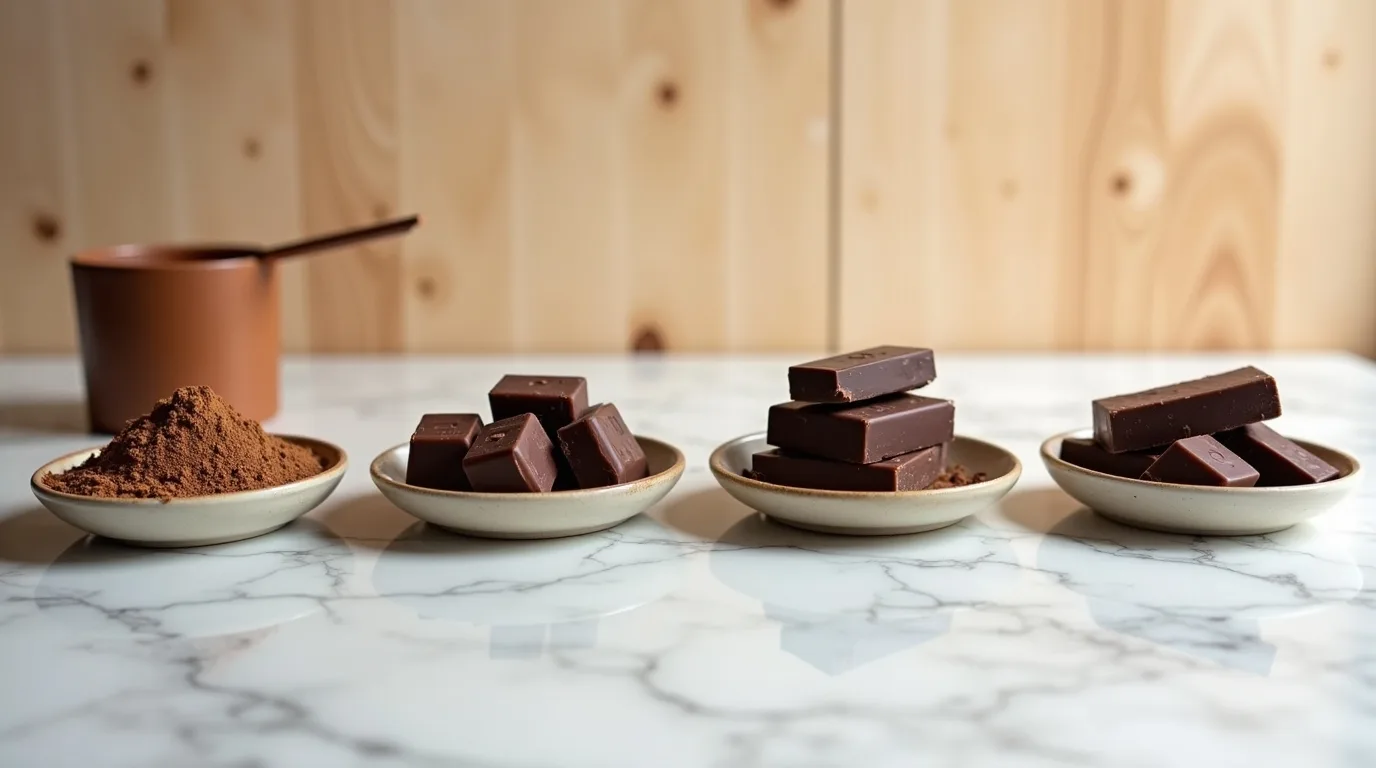
Understanding these chocolate varieties helps explain why chocolate can taste bold, smooth, or deeply intense, depending on how it is made.
Dark Chocolate and Its Intense Character
Dark chocolate is the closest modern version to early chocolate. It contains a high amount of cocoa and very little milk, which gives it a strong, rich flavor. Its taste is often described as deep, slightly bitter, and complex.
Because of its high cocoa content, dark chocolate highlights the natural character of cocoa beans. The flavors can change depending on where the cocoa comes from, ranging from fruity notes to earthy or roasted tones. This is why dark chocolate is often appreciated slowly, allowing the flavors to unfold.
Dark chocolate is also popular in baking and healthy pastry. Its bold taste works well in desserts where chocolate needs to stand out without becoming overly sweet.
Milk Chocolate Becomes a Favorite
Milk chocolate tells a very different story. By adding milk and more sugar, chocolate becomes smoother, creamier, and sweeter. This softer profile made milk chocolate an instant favorite among a wider audience.
The addition of milk reduced bitterness and created a comforting texture that melts easily in the mouth. Milk chocolate quickly found its place in chocolate bars, candies, and desserts enjoyed by both children and adults.
This variety helped chocolate move from a luxury item to a popular everyday treat. While less intense than dark chocolate, milk chocolate played a key role in making chocolate accessible, familiar, and universally loved.
The History of Chocolate Cookies
Chocolate’s journey did not stop at bars and drinks. One of its most delightful evolutions took place in the kitchen, where chocolate came together with flour, butter, and sugar to create something truly special. This is where chocolate history blends with baking culture, giving birth to some of the most loved desserts in the world: chocolate cookies.
Cookies turned chocolate into something warm, comforting, and homemade. They made chocolate personal, shareable, and deeply nostalgic.
The History of Chocolate Chip Cookies
The history of chocolate chip cookies begins with a happy accident. Instead of melting chocolate into dough, small pieces of chocolate were mixed in, creating pockets of melted goodness once baked. This simple idea changed home baking forever.
Chocolate chip cookies quickly became popular because they were easy to make and incredibly satisfying. The contrast between a soft cookie and melted chocolate created a new kind of dessert experience. Unlike fancy pastries, these cookies felt friendly and familiar.
Before long, chocolate chip cookies made their way from home kitchens into bakeries, schools, and festive celebrations everywhere. They became a symbol of comfort food, proving that chocolate did not need to be complicated to be unforgettable.
Why Chocolate Cookies Became a Global Classic
Chocolate cookies became a global favorite because they are both simple and versatile. They can be chewy, crispy, thick, or thin, depending on the recipe. Dark chocolate, milk chocolate, or baking chocolate can all be used, creating endless variations.
Another reason for their success is emotional. Chocolate cookies are often linked to childhood memories, sharing, and warmth. They are quick to prepare, easy to customize, and always satisfying.
By combining chocolate with baking, cookies helped chocolate become part of everyday life. They turned chocolate into a dessert that anyone could make, enjoy, and remember.
The History of German Chocolate
Here’s a fun fact that often confuses chocolate lovers: German chocolate isn’t actually from Germany. Despite the name, the story behind German chocolate is a mix of history, branding, and a little bit of sweet marketing. Let’s set the record straight—without losing the fun.
Where the Name Really Comes From
The term “German chocolate” actually comes from Samuel German, an American chocolate maker who created a special dark baking chocolate in the 1800s. His chocolate was sweeter and smoother than others at the time, making it ideal for baking. A few decades later, bakers used his chocolate in cakes topped with coconut and pecans, and the name stuck.
Because of this, people mistakenly assumed the chocolate came from Germany. In reality, it’s a uniquely American invention, but the “German” name gave it an air of old-world charm that helped it sell.
How German Chocolate Cake Became Famous
The German chocolate cake we know today first appeared in recipes published in newspapers and magazines in the mid-20th century. The combination of rich chocolate, sweet coconut, and toasted pecans captured people’s attention and quickly became a favorite for celebrations and family gatherings.
This story shows that chocolate history isn’t always straightforward. Names can be misleading, and sometimes a tasty mistake—or clever marketing—becomes a lasting tradition. German chocolate may not come from Germany, but it’s a delicious part of chocolate’s global journey.
Chocolate in Modern Desserts and Healthy Pastry
Chocolate has come a long way from its ancient roots and ceremonial drinks. Today, it is at the heart of both indulgent desserts and health-conscious pastries. Modern chocolate trends show that you don’t have to sacrifice flavor for balance, and chocolate can be enjoyed in many creative ways.
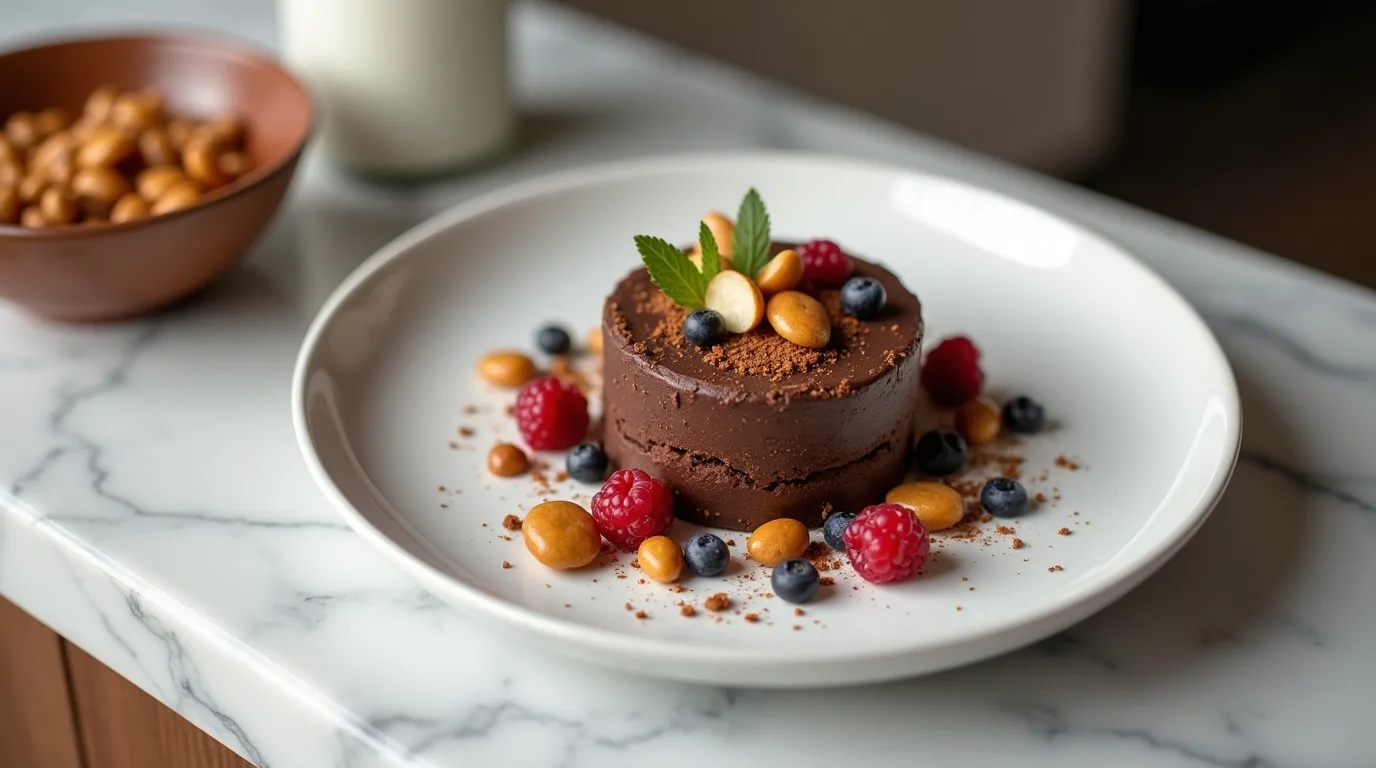
Chocolate Dessert Trends Today
In today’s dessert world, chocolate is everywhere—from artisanal cakes to gourmet truffles and vegan treats. Chefs and home bakers alike are experimenting with textures, flavors, and pairings. You’ll discover chocolate paired with exotic fruits, aromatic spices, and even savory touches like chili or sea salt.
Trends also emphasize presentation. Chocolate desserts are not just delicious; they’re visually stunning. From glossy ganaches to intricate chocolate decorations, the focus is on creating an experience that delights both taste and sight.
Another trend is quick chocolate recipes. Busy bakers want desserts that are simple, fast, and impressive. Recipes like single-layer chocolate cakes, chocolate mug cakes, or no-bake chocolate bars let anyone enjoy gourmet flavors at home.
Is Chocolate Part of a Healthy Pastry Lifestyle?
Yes! Chocolate can absolutely fit into a healthy pastry lifestyle, especially when you choose the right types and pairings. Dark chocolate is rich in antioxidants and lower in sugar than milk chocolate, making it a popular choice for healthier desserts. Ingredients like oats, nuts, and fruit can be combined with chocolate to create treats that are indulgent but balanced.
Even milk chocolate and lighter desserts can be savored with intention and balance. Portion control, thoughtful ingredient swaps, and baking techniques allow bakers to create desserts that satisfy cravings without overloading on sugar or fat.
Modern pastry is about pleasure with purpose. Chocolate remains the star, but it’s now possible to enjoy it in a way that aligns with wellness trends, making it suitable for everyday indulgence.
Whether you’re baking a rich cake or a quick chocolate snack, chocolate continues to evolve, proving that it can be both decadent and part of a balanced lifestyle.
Chocolate Today: Between Pleasure and Balance
Chocolate has a long and fascinating history, but its story continues in our kitchens and on our plates today. Modern chocolate culture is all about enjoying indulgence while making mindful choices. From luxurious desserts to healthier creations, chocolate has evolved to meet both pleasure and wellness needs.
Dark Chocolate and Wellness
Dark chocolate is not just delicious—it’s also celebrated for its health benefits. Packed with antioxidants and lower in sugar than milk chocolate, dark chocolate can support heart health and boost mood. Many bakers now incorporate dark chocolate into desserts that feel indulgent but are a little kinder to the body.
Whether it’s a rich dark chocolate tart or small chocolate squares, this style of chocolate allows you to enjoy flavor while being aware of wellness. It proves that pleasure and health can coexist in the world of chocolate.
Light Desserts and Healthier Pastry
Bakers are also creating lighter chocolate desserts that don’t compromise on taste. Techniques like using fruit purees, oats, nuts, or plant-based alternatives allow chocolate to shine while keeping desserts lower in sugar and fat. Quick chocolate recipes and single-serving desserts have become especially popular for people who want indulgence without overdoing it.
Even classic pastries can be reimagined with healthier approaches. Chocolate mousse, brownies, and cookies can all be adapted to suit a more balanced lifestyle without losing the joy of eating chocolate.
Conscious Chocolate Choices
Modern chocolate culture also emphasizes conscious choices. Consumers increasingly seek ethically sourced cocoa, fair trade chocolate, and sustainable packaging. Supporting these practices ensures that enjoying chocolate is not only good for the palate but also for people and the planet.
From baking at home to buying specialty chocolate bars, making informed decisions helps chocolate remain a pleasure you can feel good about. Today, chocolate is not just about indulgence—it’s about balancing taste, health, and responsibility.
In short, chocolate today embodies both pleasure and mindfulness, proving that this centuries-old ingredient continues to adapt and delight in every era.
Why Chocolate’s Story Is Still Being Written
Chocolate’s journey is far from over. Even after centuries of evolution—from bitter ceremonial drinks to chocolate chip cookies and luxurious desserts—chocolate continues to inspire, innovate, and bring people together. Its story is still unfolding, and every bite we enjoy is part of that living history.
Chocolate as Culture, Not Just Food
Chocolate is more than an ingredient; it’s a cultural symbol. Across continents and generations, it has represented celebration, comfort, creativity, and connection. Sharing chocolate is sharing a tradition, a memory, and a moment of joy. Understanding its history reminds us that chocolate is woven into human culture as much as it is into our kitchens.
Why Understanding Chocolate Improves Baking
For bakers and dessert enthusiasts, knowing chocolate’s story deepens appreciation and skill. Understanding its varieties, origins, and transformations helps you choose the right chocolate for a recipe, balance flavors, and experiment with new creations. Chocolate history becomes a tool, turning ordinary desserts into thoughtful, inspired works of art.
What Chocolate Represents Today
Today, chocolate represents pleasure, creativity, and connection. It brings comfort after a long day, joy at celebrations, and excitement in culinary experiments. It is a medium for cultural expression and a source of personal and shared happiness.
As chocolate continues to evolve—with new trends, healthier options, and sustainable practices—it proves that its story is ongoing. Every dessert, recipe, and chocolate-inspired innovation adds a new chapter. Chocolate’s history is not just about the past—it is alive, relevant, and sweeter than ever.
Chocolate is a story we all participate in, one delicious bite at a time.
Conclusion
Chocolate’s story is a journey of creativity, culture, and pure pleasure. From a simple cocoa bean to rich desserts and comforting cookies, chocolate has grown alongside human imagination. Each era added something new, shaping the chocolate we enjoy today.
Understanding the history of chocolate adds meaning to every bite. It reminds us that chocolate is not just food—it’s a tradition, a craft, and a source of joy that continues to evolve, one delicious moment at a time.