
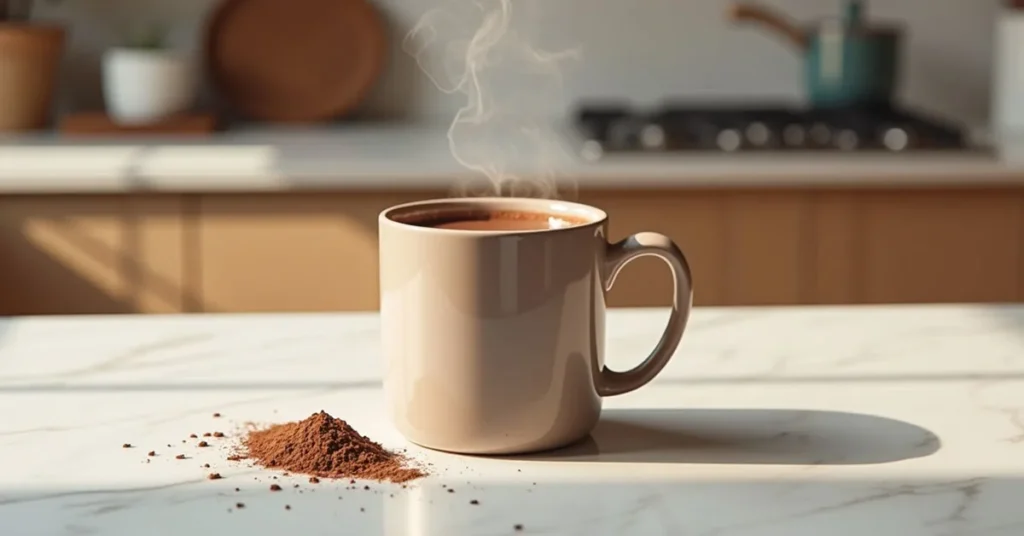
Does hot chocolate have caffeine?
Table of Contents
Introduction — The Cozy Drink with a Hidden Kick
There’s something magical about wrapping your hands around a steaming mug of hot chocolate on a chilly day. The creamy texture, the deep aroma of melted chocolate, and that first sweet sip—pure comfort in liquid form. It’s the universal hug-in-a-cup that soothes hearts and lifts moods, whether you’re nine or ninety.
But here’s a curious thought: while we sip this comforting treat believing it’s all calm and cozy, a question quietly bubbles up — does hot chocolate really contain caffeine?
The answer might surprise you. Though far gentler than coffee, your beloved cup of cocoa isn’t entirely innocent. Hidden beneath the sweet layers of whipped cream and marshmallows lies a subtle caffeine kick—just enough to give you a warm lift without the jitters.
What Gives Hot Chocolate Its Caffeine?
So, where does that tiny jolt of energy in your hot chocolate come from? The answer lies deep within the heart of the cocoa bean—the same magical seed responsible for all things chocolatey.
Cocoa beans naturally contain caffeine, a stimulant found in plants like coffee and tea. But unlike coffee beans, which are roasted specifically to maximize caffeine extraction, cocoa is processed for flavor first, energy second. That’s why your hot chocolate gives you comfort more than a buzz.
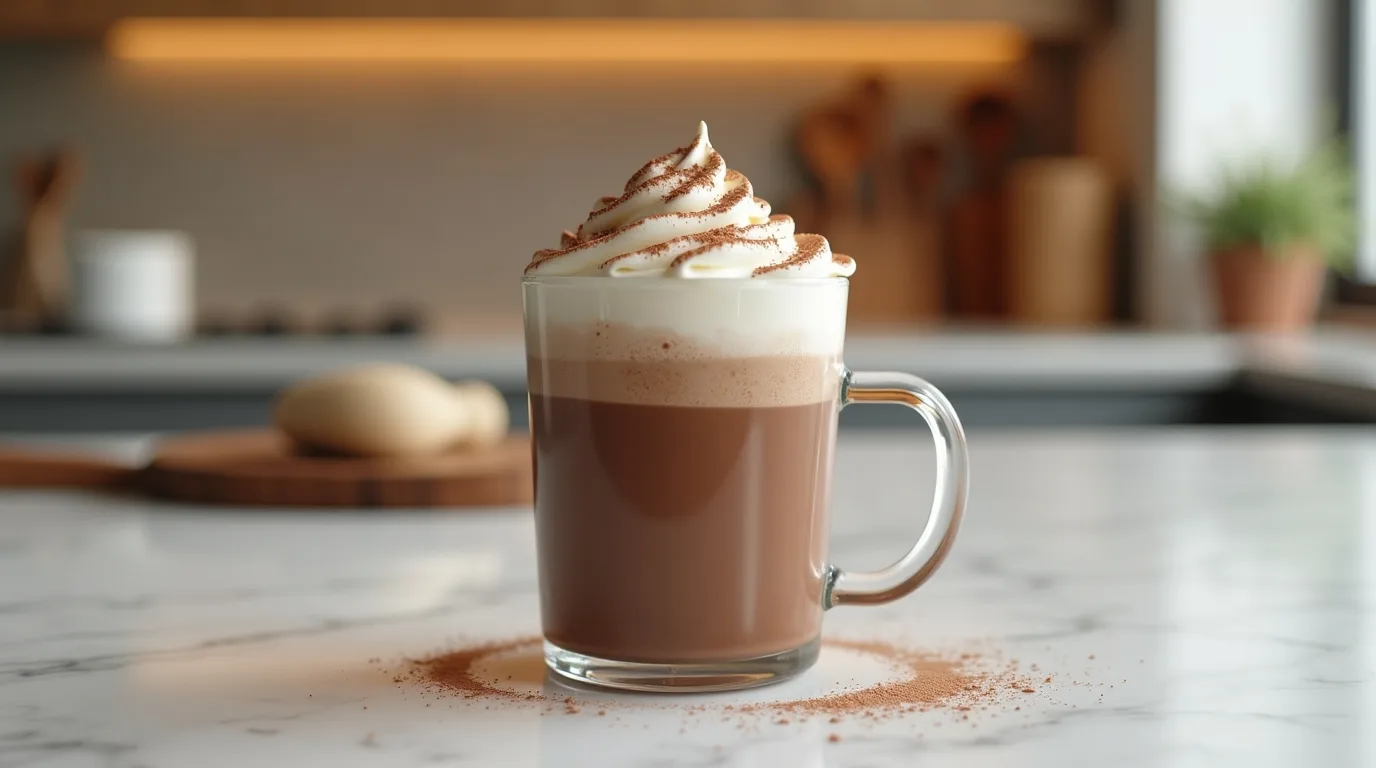
While caffeine often gets the spotlight, cocoa also features theobromine, a compound with a structure and effect similar to caffeine’s. Think of theobromine as caffeine’s gentler, friendlier sibling—it provides a mild energy lift and mood enhancement without the anxiety or crash that coffee sometimes brings.
The caffeine and theobromine content vary depending on the type of chocolate you use:
- Dark chocolate contains the highest amount of caffeine because it has a greater proportion of cocoa solids.
- Milk chocolate: Lower caffeine, diluted with milk and sugar.
- White chocolate: No caffeine at all, because it’s made from cocoa butter, not cocoa solids.
So, the more “real chocolate” your drink contains, the more likely it is to have a bit of caffeine. But don’t worry—it’s still miles away from the jolt of your morning espresso!
How Much Caffeine Is in Hot Chocolate?
Now that we know where caffeine in hot chocolate comes from, let’s talk numbers—because curiosity demands specifics! While the word “caffeine” might make you think of a shot of espresso or an all-nighter coffee, hot chocolate contains far less.
On average, a regular mug (about 240 ml / 8 oz) of homemade or café-style hot chocolate contains 5 to 20 milligrams of caffeine. That’s roughly one-tenth of what you’d find in a cup of coffee.
Here’s a quick comparison:
| Beverage | Average Caffeine (mg) |
| Hot Chocolate | 5–20 mg |
| Coffee (regular brew) | 95–200 mg |
| Tea (black or green) | 30–70 mg |
| Decaf Coffee | 2–5 mg |
See the difference? A mug of hot chocolate is closer to decaf coffee than to your usual morning brew. It gives a mild, smooth lift—just enough to wake your senses without sending your heart racing.
That said, the caffeine content depends heavily on how you make it. A few factors can change the numbers:
- Using dark chocolate instead of cocoa powder? Expect more caffeine.
- Making it from a mix like Swiss Miss? That’s typically less.
- Adding extra cocoa for a richer flavor? You’re also adding a touch more caffeine.
So while hot chocolate won’t keep you buzzing through a night shift, it can still deliver a gentle pick-me-up, perfect for cozy afternoons or post-dinner indulgence.
Does Starbucks Hot Chocolate Have Caffeine?
Ah, the famous Starbucks hot chocolate—rich, frothy, and irresistibly indulgent. But does this cozy café favorite sneak in a dose of caffeine with its sweetness? The short answer: yes, it does, though not nearly as much as your latte or cappuccino.
A typical Starbucks Hot Chocolate (Tall, 12 oz) contains around 15–20 milligrams of caffeine. That amount comes straight from the cocoa powder used in the mix. Since Starbucks uses real cocoa rather than a caffeine-free substitute, your drink naturally picks up a small caffeine boost.
Here’s a rough caffeine breakdown by size:
| Drink Size | Approx. Caffeine (mg) |
| Kids / Short (8 oz) | 10 mg |
| Tall (12 oz) | 15–20 mg |
| Grande (16 oz) | 25 mg |
| Venti (20 oz) | 30 mg |
To put that in perspective: a Tall Starbucks Coffee has about 235 mg of caffeine—more than ten times the amount in hot chocolate!
If you’re sensitive to caffeine or planning a bedtime treat, Starbucks offers customization options. You can ask for:
- White hot chocolate, which is caffeine-free (made from cocoa butter only).
- Steamed milk with mocha syrup—and request fewer pumps to reduce caffeine.
- Or simply go for a smaller size for a mild, comforting drink.
So yes, Starbucks hot chocolate does contain caffeine—but only enough to make you smile, not shake.
Does Swiss Miss Hot Chocolate Have Caffeine?
Let’s talk about Swiss Miss, the nostalgic instant mix that’s been warming hearts (and hands) for decades. It’s the go-to choice for busy mornings, camping trips, or those “I need chocolate right now” moments. But does it contain caffeine too?
The answer: yes — but only a trace.
A single serving of Swiss Miss Hot Cocoa Mix (made with water or milk) contains roughly 2–5 milligrams of caffeine. That’s barely noticeable compared to coffee or even tea. The reason? Swiss Miss is made primarily from processed cocoa powder, which has lower cocoa solid content than pure dark chocolate or artisanal cocoa.
Here’s a quick look at how it compares:
| Brand / Type | Approx. Caffeine (mg per cup) |
| Swiss Miss Classic | 2–5 mg |
| Starbucks Hot Chocolate | 15–30 mg |
| Homemade (dark cocoa) | 10–20 mg |
In other words, you’d need to drink 10 cups of Swiss Miss to equal the caffeine in one small coffee!
Still, caffeine-sensitive drinkers—or parents preparing cocoa for kids—can rest easy. Swiss Miss offers several caffeine-free or low-cocoa options, such as white chocolate and marshmallow flavors, that are practically caffeine-free.
So if you crave that classic, creamy sweetness without worrying about a caffeine buzz, Swiss Miss is your safest (and sweetest) bet.
Hot Chocolate vs Coffee — The Energy Difference
Here’s where things get interesting: both hot chocolate and coffee can give you a lift, but the type of energy they deliver couldn’t be more different. If coffee is a high-voltage jolt, hot chocolate is a gentle sunrise—slow, warm, and soothing.
Let’s break it down.
Coffee is a caffeine powerhouse, packing anywhere from 95 to 200 milligrams per cup. It hits your bloodstream fast, boosting alertness, focus, and sometimes… your anxiety levels too. That’s the price of all that power.
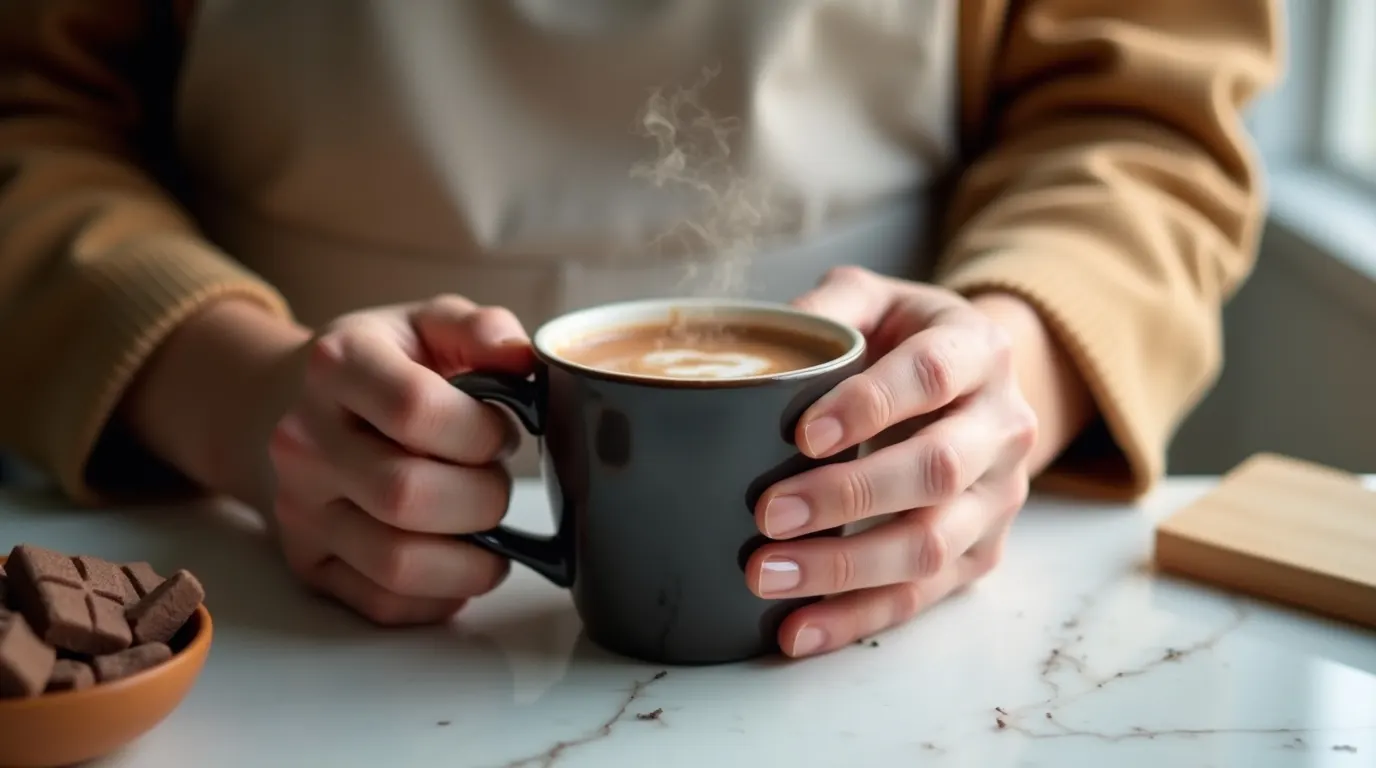
Hot chocolate, on the other hand, offers a softer kind of wake-up call. With only 5 to 20 milligrams of caffeine per mug, it provides a subtle nudge rather than a shock. What makes it special is the presence of theobromine, a natural compound found in cocoa.
Theobromine works differently than caffeine:
- It stimulates gently, without spikes or crashes.
- It improves mood and can promote a feeling of calm alertness.
- It even has heart-health benefits, supporting circulation and relaxation.
Here’s a quick comparison:
| Feature | Coffee | Hot Chocolate |
| Caffeine per cup | 95–200 mg | 5–20 mg |
| Energy impact | Fast, intense | Mild, steady |
| Mood effect | Alert, sometimes anxious | Relaxed, happy |
| Ideal time | Morning boost | Afternoon or evening treat |
So while coffee fuels your productivity, hot chocolate nourishes your comfort zone. It’s the drink that says, “You’re doing great—now take a breath.” Perfect for winding down after a long day, or adding a cozy sparkle to your mid-afternoon slump.
In short, coffee wakes you up. Hot chocolate warms you up. ☕🍫
Is Hot Chocolate Safe for Kids and Sensitive Drinkers?
Good news for chocolate lovers of all ages: hot chocolate is generally safe, even for kids and caffeine-sensitive individuals. But as always, a little knowledge helps you sip wisely.
Caffeine levels in perspective:
- A standard cup of hot chocolate has 5–20 mg of caffeine, far less than coffee or tea.
- For children, the American Academy of Pediatrics recommends keeping daily caffeine under 45 mg. A single mug of hot chocolate is well within this limit.
Tips for kids and sensitive drinkers:
- Opt for milk or white chocolate mixes – these are naturally lower in caffeine.
- Use Swiss Miss or other instant mixes – they typically contain minimal caffeine.
- Adjust portion sizes – a smaller cup still delivers the sweet experience without extra caffeine.
- Homemade alternatives – using carob powder or low-cocoa recipes removes almost all caffeine while keeping rich chocolate flavor.
Bonus benefit: Hot chocolate also contains antioxidants from cocoa, which support heart health and provide a tiny mood boost. It’s a comforting, cozy beverage that’s safer than you might think—even for little ones.
So go ahead and pour a cup for your kids, or treat yourself without worry. Moderation is key, but hot chocolate is mostly guilt-free indulgence.
How to Make a Low-Caffeine Hot Chocolate at Home
If you love the cozy sweetness of hot chocolate but want to minimize caffeine, the good news is—you can still enjoy a rich, comforting cup without the buzz. With a few simple swaps and tricks, your cocoa can be gentle, delicious, and kid-friendly.
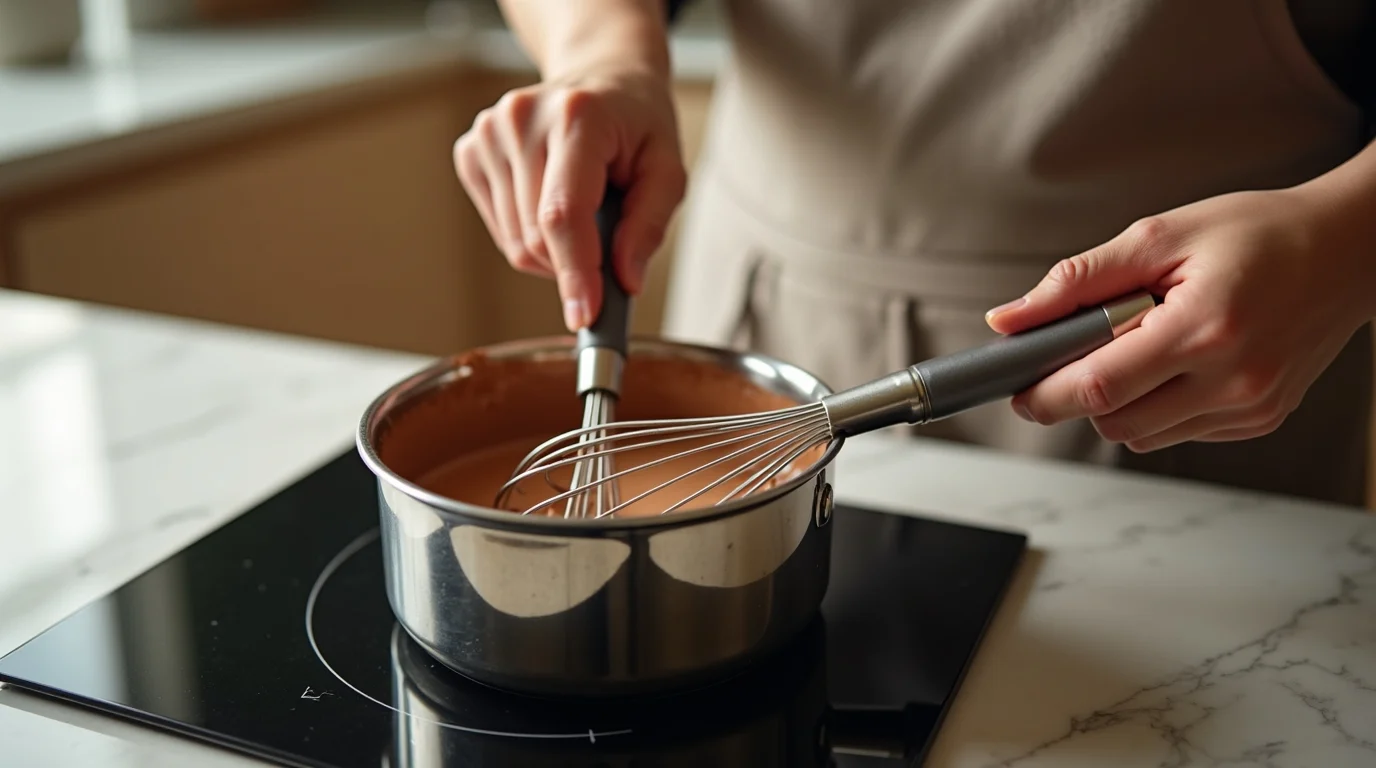
Ingredients for a Low-Caffeine Hot Chocolate (Serves 2)
- 2 cups milk (dairy or plant-based)
- 2 tablespoons carob powder (or low-cocoa milk chocolate)
- 1–2 teaspoons sugar or sweetener of choice
- ¼ teaspoon vanilla extract
- Pinch of salt
- Optional toppings: whipped cream, cinnamon, or marshmallows
Instructions
- Heat the milk gently in a small saucepan over medium heat. Don’t let it boil.
- Whisk in the carob powder (or melted low-cocoa chocolate) until smooth.
- Add sugar, vanilla, and a pinch of salt for flavor balance.
- Continue to stir until the mixture is warm and frothy.
- Pour into mugs and top with your favorite garnish.
Tips for Extra Flavor Without Caffeine
- Use cinnamon, nutmeg, or vanilla to enhance richness.
- Swap milk with almond, oat, or coconut milk for a unique twist.
- For creamy indulgence, add a tiny dollop of whipped cream—it makes the drink feel luxurious without adding caffeine.
This version of hot chocolate is perfect for kids, sensitive adults, or evening relaxation. It maintains all the comfort and flavor of traditional hot chocolate but keeps caffeine at a minimum, so you can enjoy your cup anytime.
Conclusion — The Sweet Balance
Hot chocolate is more than just a cozy treat—it’s a delicate balance between comfort and a subtle caffeine boost. From the natural caffeine in cocoa beans to the gentle stimulation of theobromine, your mug delivers warmth, flavor, and a touch of energy without the jitters of coffee.
Whether you enjoy a Starbucks hot chocolate, a classic Swiss Miss mix, or a homemade low-caffeine version, the drink can be tailored to suit your needs, preferences, and caffeine sensitivity. Kids, adults, and even the most caffeine-conscious can savor its rich chocolatey goodness safely.
So next time you wrap your hands around that steaming mug, remember: hot chocolate isn’t just sweet—it’s smart indulgence. Sip slowly, savor the flavor, and enjoy a comforting lift that’s as gentle as it is delicious.
FAQs About Hot Chocolate and Caffeine
1. Does hot chocolate have caffeine?
Yes, hot chocolate contains a small amount of caffeine because cocoa beans naturally have caffeine. The exact amount varies depending on the type of chocolate and preparation method.
2. How much caffeine is in a cup of hot chocolate?
On average, a standard 8 oz (240 ml) cup of hot chocolate contains 5–20 mg of caffeine, which is much less than coffee or tea. Darker cocoa versions contain more caffeine than milk or white chocolate.
3. Does Starbucks hot chocolate have caffeine?
Yes, Starbucks hot chocolate contains approximately 15–30 mg of caffeine per cup, depending on size. It’s enough for a mild energy boost but far less than coffee.
4. Does Swiss Miss hot chocolate have caffeine?
Yes, but very little. A typical cup of Swiss Miss hot cocoa mix contains 2–5 mg of caffeine, making it safe for kids and sensitive drinkers.
5. Is hot chocolate safe for kids?
Yes! With its low caffeine content, hot chocolate is generally safe for children. You can further reduce caffeine by using milk chocolate, carob powder, or instant mixes like Swiss Miss.
6. How can I make a low-caffeine hot chocolate at home?
Use low-cocoa chocolate, carob powder, or white chocolate. Adding milk and spices like cinnamon or vanilla enhances flavor while keeping caffeine minimal.
7. How does hot chocolate compare to coffee in caffeine content?
Hot chocolate has far less caffeine than coffee. While coffee ranges from 95–200 mg per cup, hot chocolate usually has only 5–20 mg, providing a gentle energy lift without the jitters.
8. Can I drink hot chocolate before bedtime?
Yes, especially if you choose a low-caffeine or carob-based recipe. Its mild caffeine and mood-boosting theobromine make it a cozy, relaxing evening drink.
9. Does dark chocolate hot chocolate have more caffeine?
Yes. The darker the chocolate or cocoa powder, the higher the caffeine content. Milk chocolate contains less, and white chocolate contains none.
10. Can I reduce caffeine in hot chocolate without losing flavor?
Absolutely! Use carob powder, milk chocolate, or lower-cocoa mixes. Adding spices, vanilla, or a touch of sweetener keeps the drink rich and satisfying.