
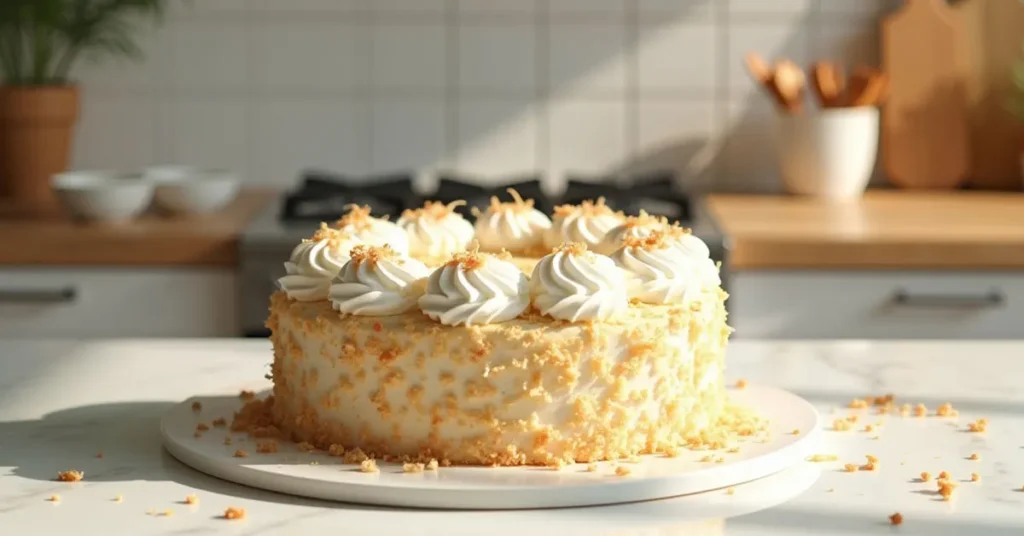
Coconut cake recipe
Table of Contents
Introduction : coconut cake recipe
There’s something magical about the best coconut cake recipe — soft, creamy, and bursting with tropical charm. Imagine slicing into a moist, fluffy cake infused with the rich aroma of coconut milk and a hint of vanilla, every bite melting gently on your tongue. Whether you’re baking for a family gathering, a weekend treat, or simply to satisfy a sweet craving, this easy coconut cake recipe promises pure comfort in every slice.
I’ve always loved how coconut transforms a simple homemade dessert into something special — light, elegant, and irresistibly fragrant. And the best part? You don’t need to be a professional baker to master it! With just a few pantry staples and a little care, you can create a moist coconut cake that rivals any bakery version.
Have you ever tried pairing coconut and chocolate together? The creamy sweetness of coconut combined with a drizzle of melted chocolate creates a dessert so divine, it feels like a tropical vacation in every bite. So grab your mixing bowl, preheat your oven, and let’s bring this island-inspired delight to life — one whisk at a time.
Why Choose This Recipe
If you’ve been searching for a coconut cake recipe that’s truly foolproof — light, moist, and irresistibly creamy — you’re in the right place. This isn’t just another easy coconut cake recipe; it’s a tropical dream come true, perfect for both beginners and seasoned bakers.
What makes this the best coconut cake recipe is its perfect balance of flavor and texture. Each bite is soft and delicate, with just the right amount of sweetness and a gentle coconut aroma that instantly brightens your day. It’s the kind of dessert that feels like sunshine — simple, comforting, and utterly satisfying.
What makes this recipe truly special :
- 🌴 Moist and Fluffy Texture: Thanks to creamy coconut milk and softened butter, the cake stays light yet rich from the first slice to the last.
- 🍰 Tropical Flavor: The subtle sweetness of shredded coconut gives the cake that signature island-inspired taste without being overpowering.
- 🕒 Effortless to Make: With simple, accessible ingredients, this homemade coconut cake comes together beautifully — no special equipment needed.
- 🍫 Versatile for Any Occasion: Whether it’s a birthday, brunch, or a quick weekend treat, it fits every celebration perfectly.
- 💡 Beginner-Friendly: Clear, step-by-step instructions make it easy to get bakery-quality results even on your first try.
If you’re the kind of person who loves light, tropical desserts that bring joy to the table, this cake will quickly become your new favorite. It’s not just about baking — it’s about creating a moment to share. And once you take that first bite of this moist coconut cake, you’ll understand exactly why it’s worth making again and again.
Here’s a detailed, visually appealing recipe summary for your Best Coconut Cake Recipe
| 🍴 Recipe Details | |
| ⏱ Preparation Time | 20 minutes |
| 🔥 Cooking Time | 35 minutes |
| ⏲ Total Time | 55 minutes |
| 🍰 Portions | 8–10 servings |
| ⚡ Calories | ~350 kcal per slice |
| 🗂 Categorize Recipe | |
| 🍽 Course | Dessert / Sweet Treat |
| 👩🍳 Cooking Method | Baking |
| 🎯 Difficulty | Easy |
| 🌎 Cuisine | International / Tropical Inspired |
| 🏅 Skill Level | Beginner-Friendly |
Ingredients and Equipment You’ll Need
Before we dive into mixing and baking, let’s make sure you have everything ready for your coconut cake recipe. Having your ingredients measured and tools at hand is the secret to a smooth, stress-free baking experience — like setting the stage before the main performance.
This best coconut cake recipe keeps things simple yet indulgent, using pantry staples with a few tropical touches that make all the difference.
Ingredients for the Cake
(Makes one 8-inch, double-layer cake)
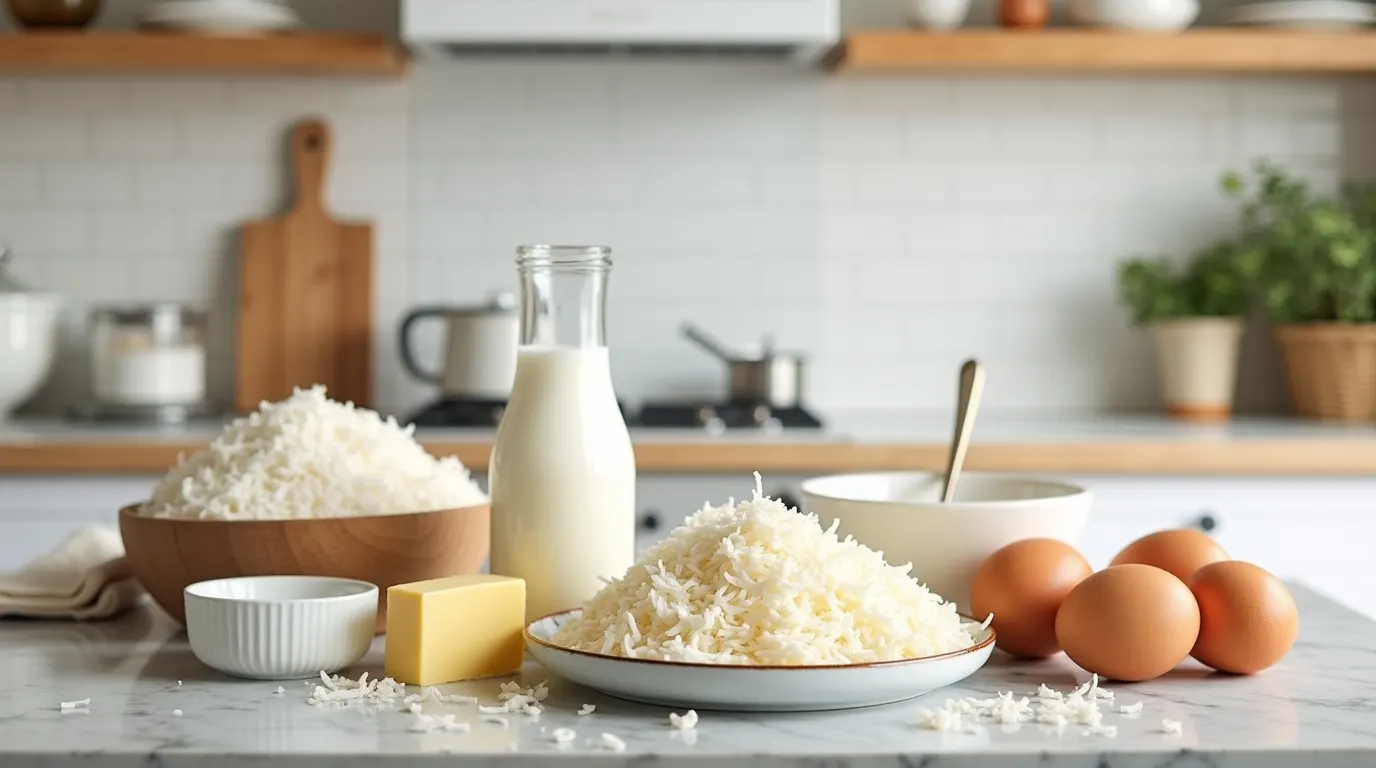
- 2 ½ cups all-purpose flour – sifted for a light, airy texture.
- 1 ½ cups granulated sugar – adds sweetness without being heavy.
- 1 cup coconut milk – the key to a moist, creamy crumb.
- ½ cup unsalted butter (softened) – for that rich, buttery flavor.
- 4 large eggs – they bring structure and softness to your cake.
- 2 teaspoons baking powder – ensures a gentle, even rise.
- 1 teaspoon vanilla extract – enhances the flavor beautifully.
- ½ cup shredded coconut – adds a subtle crunch and authentic taste.
- (Optional: ½ teaspoon almond extract for a nutty hint, or a pinch of salt to balance the sweetness.)
Pro Tip: For the softest texture, make sure all your ingredients — especially the butter, eggs, and coconut milk — are at room temperature before you start.
Ingredients for the Frosting (Optional but Recommended)
- 1 ½ cups unsalted butter, softened
- 3 cups powdered sugar, sifted
- 3–4 tablespoons coconut milk
- 1 teaspoon coconut extract
- (Optional: add a drizzle of melted dark chocolate for a ChocoChefAI twist!)
This frosting is velvety, rich, and perfectly complements the cake’s tropical sweetness.
Equipment Checklist
Having the right tools on hand will make this easy coconut cake recipe even easier to prepare:
- Two 8-inch round cake pans
- Mixing bowls (one large, one medium)
- Electric mixer or whisk
- Spatula for folding and spreading
- Measuring cups and spoons for accuracy
- Parchment paper to line your pans
- Cooling rack to keep the texture perfect after baking
Helpful Tips Before You Begin
- Grease and line your pans to avoid any sticking surprises.
- Weigh your flour if possible — too much can make your cake dense.
- For an extra flavor boost, toast your shredded coconut lightly before adding it to the batter.
With your ingredients prepped and tools ready, you’re just a few steps away from creating a soft, moist coconut cake that smells as heavenly as it tastes. Next up: the step-by-step preparation — where the magic truly begins!
Step-by-Step Preparation
Now that your ingredients and tools are ready, it’s time to bring this coconut cake recipe to life! Don’t worry — even if you’re new to baking, these clear and easy steps will guide you through every stage. Think of me as your kitchen companion, sharing a few pro secrets along the way to help you create the best coconut cake recipe you’ve ever made.
Step 1: Prepare Your Pans and Preheat the Oven
Start by preheating your oven to 180°C (350°F). This ensures even baking right from the moment your cake goes in.
- Prepare two 8-inch round cake pans by greasing them with butter or a nonstick cooking spray.
- Line the bottom with parchment paper to prevent sticking.
- Lightly dust with flour for a smooth, easy release after baking.
Tip: Proper pan preparation is one of the easiest ways to guarantee perfect, intact cake layers — no crumbling or tearing!
Step 2: Mix the Wet Ingredients
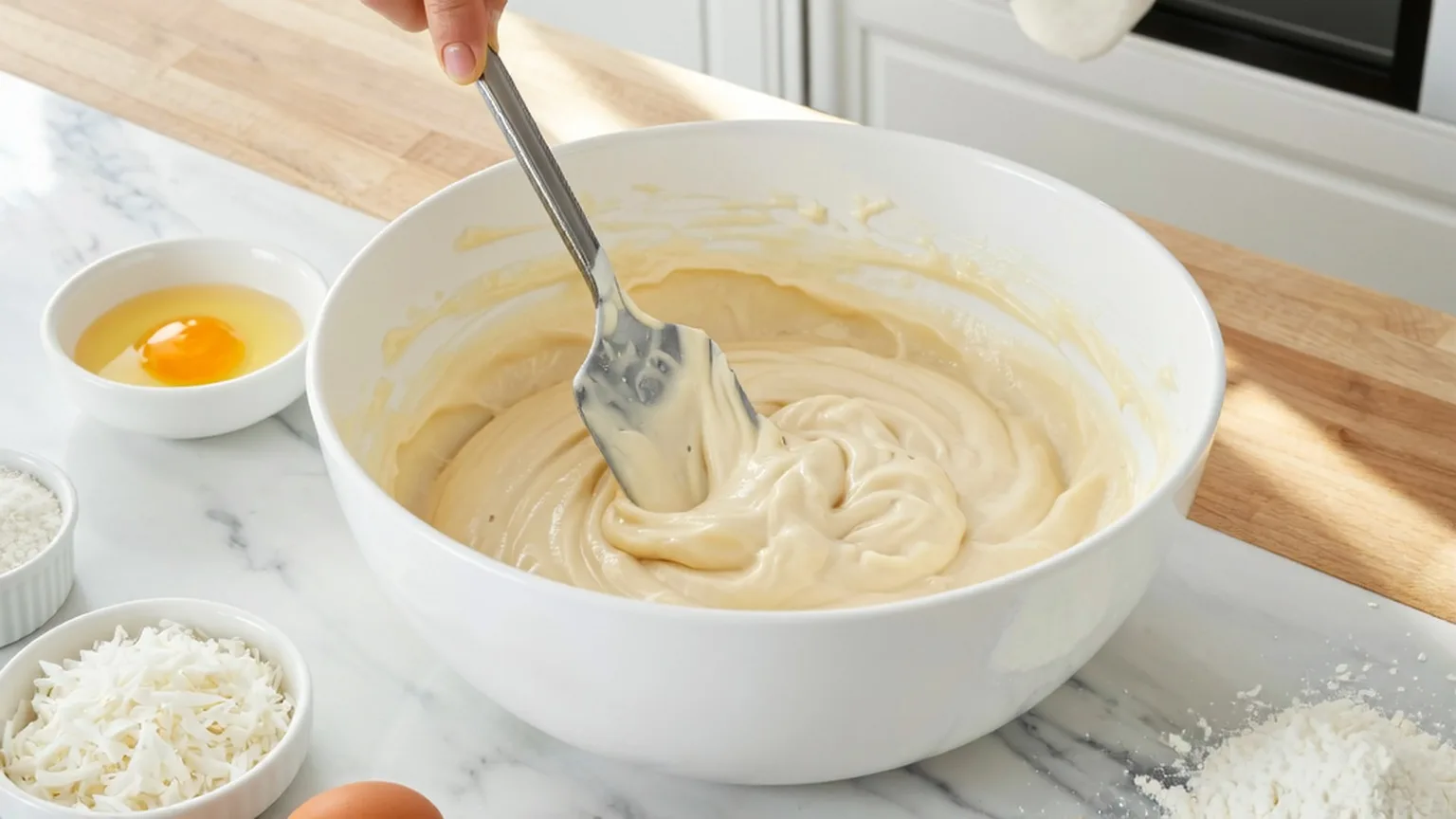
In a large mixing bowl, cream together butter and sugar using an electric mixer until the mixture becomes light and fluffy. This step traps air, giving your cake that soft, delicate texture.
- Add the eggs, one at a time, mixing well after each addition.
- Pour in the coconut milk and vanilla extract, then mix until smooth and creamy.
Pro Tip: If your butter or eggs are too cold, the batter may curdle. Let them reach room temperature before starting for a silky, uniform mixture.
Step 3: Combine the Dry Ingredients
In a separate bowl, whisk together the flour, baking powder, and shredded coconut. Slowly add this dry mixture to your wet ingredients in three parts, mixing gently between each addition.
Avoid overmixing — once the batter looks smooth and consistent, stop! Overmixing can make your moist coconut cake turn dense or heavy.
Step 4: Fill and Bake
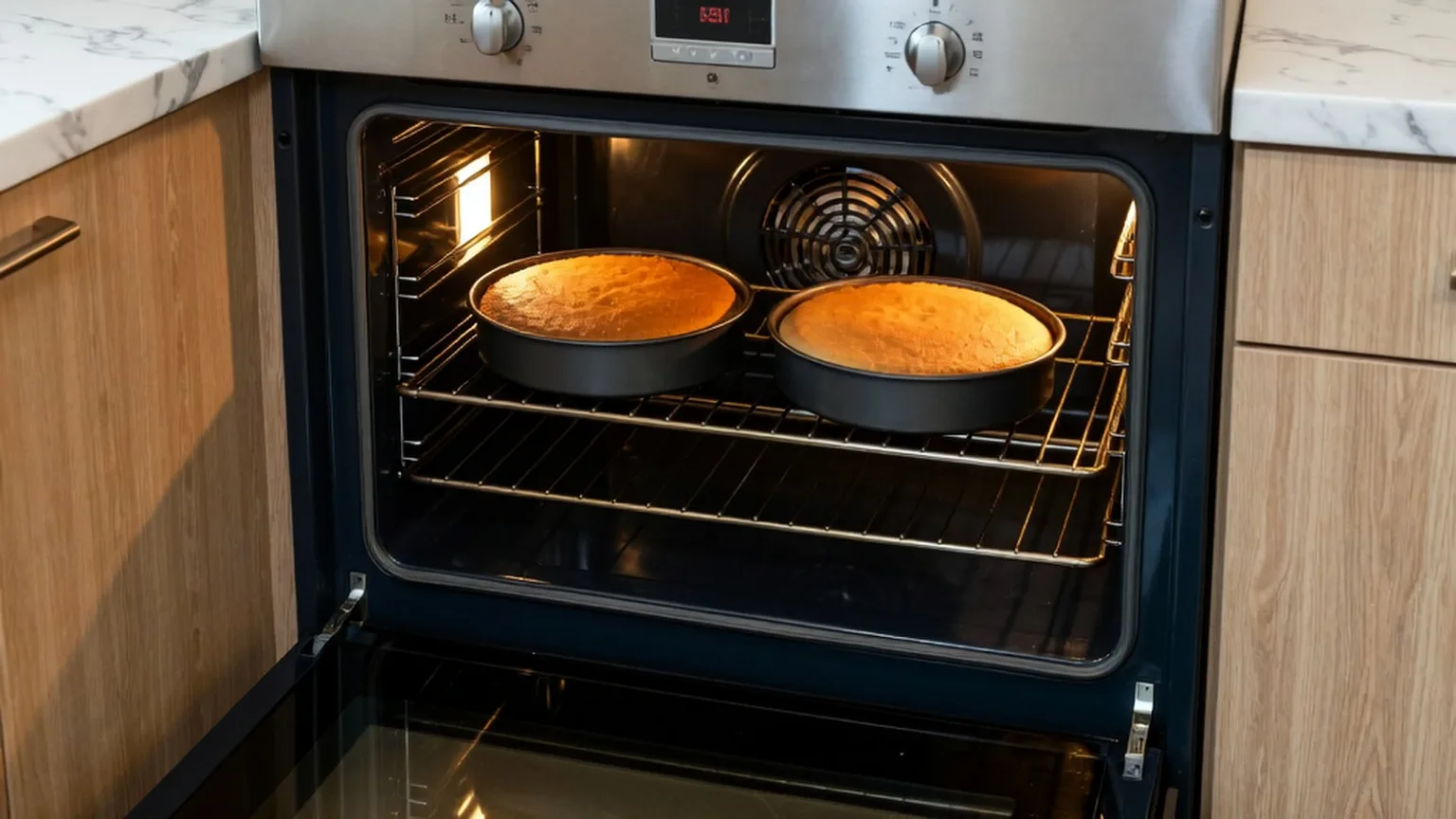
- Distribute the batter equally between the two prepared pans.
- Level the surfaces with a spatula to ensure uniform baking.
- Bake for 30 to 35 minutes, or until a toothpick inserted in the center of the cakes emerges clean.
While the magic happens in the oven, enjoy the warm, tropical aroma filling your kitchen — that’s how you know something special is baking!
Quick Check: Every oven is different. If your cake starts browning too fast, cover it loosely with foil during the last few minutes.
Step 5: Cool and Frost
- Once baked, remove the cakes from the oven and let them rest in their pans for 10 minutes.
- Once they’re done, move the cakes to a cooling rack and let them cool all the way before you frost them.
- This prevents the frosting from melting or soaking into the warm cake layers.
Step 6: Frost and Decorate
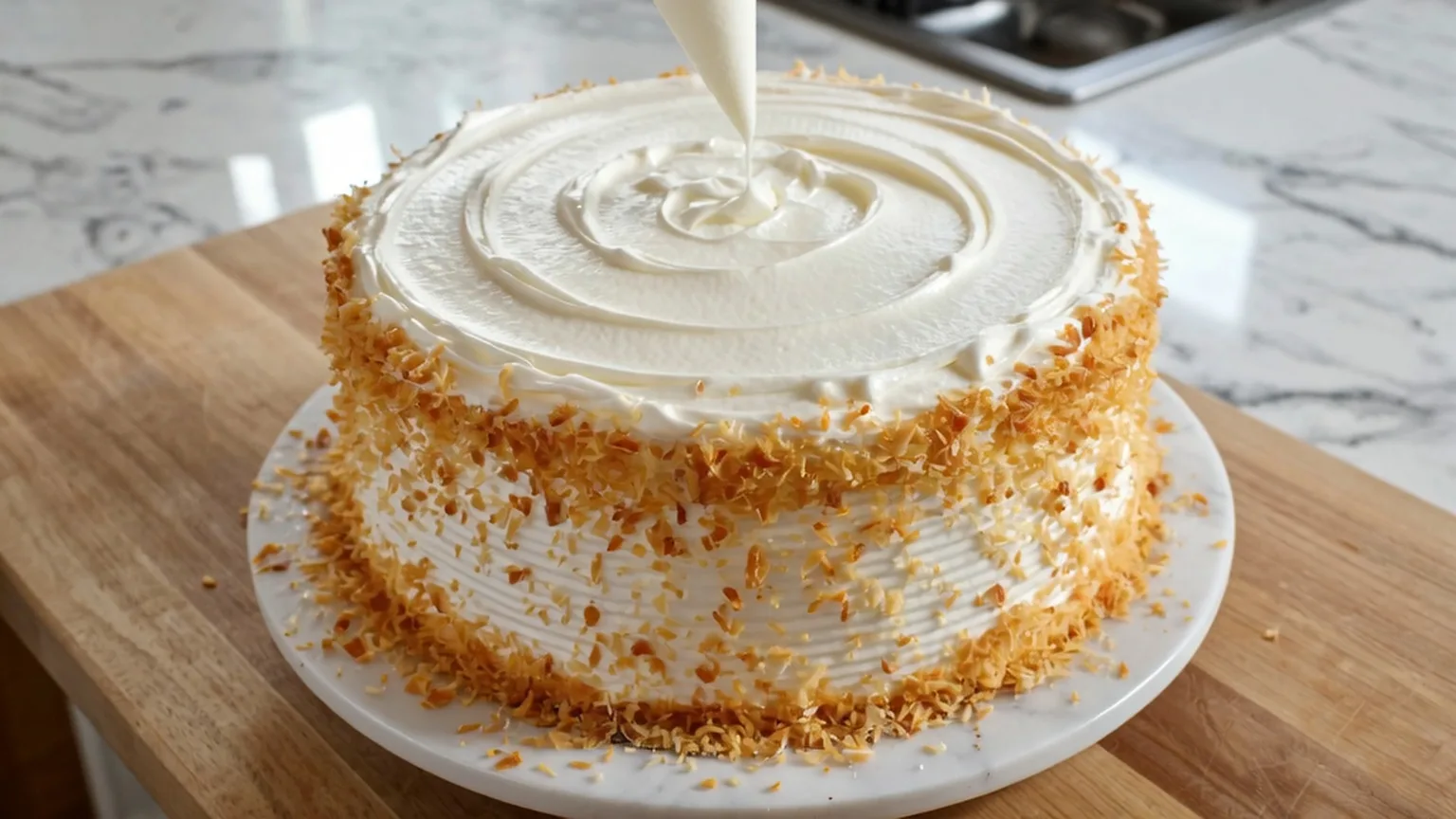
When your cakes are cool, spread a generous layer of coconut frosting between them and over the top. Sprinkle toasted shredded coconut or drizzle melted dark chocolate for a ChocoChefAI-inspired finish.
Creative Touch: Add a few curls of white chocolate or a dusting of powdered sugar to make your presentation feel extra special.
And there you have it — your homemade easy coconut cake recipe, baked to golden perfection and ready to impress. Soft, fragrant, and beautifully layered, this dessert isn’t just delicious — it’s pure happiness on a plate.
ChocoChefAI Tip: Mastering the Perfect Coconut Cake
Every baker has a secret, and for your best coconut cake recipe, I’m sharing mine with you! These simple yet powerful tips can make the difference between a good cake and an absolutely unforgettable one.
1. Temperature Is Everything
Always bring your butter, eggs, and coconut milk to room temperature before mixing. This allows them to blend smoothly, giving your cake that signature soft and fluffy coconut texture. Cold ingredients can cause your batter to curdle or bake unevenly — not what we want!
Pro Insight: A quick way to warm cold eggs? Submerge them in warm (not hot) water for 5 minutes.
2. Choose Quality Coconut Milk
Not all coconut milk is created equal! For a truly rich and moist coconut cake, use full-fat coconut milk. The higher fat content adds both creaminess and flavor depth.
Look for brands that list coconut extract as the first ingredient — avoid diluted or sweetened versions.
3. Don’t Overmix Your Batter
Once you’ve combined your dry and wet ingredients, mix only until you no longer see streaks of flour. Overmixing can deflate the air bubbles you worked so hard to create while creaming the butter and sugar, leading to a dense cake instead of a light, airy one.
4. Check for Doneness Like a Pro
Every oven has its quirks! To avoid overbaking your moist coconut cake, start checking at the 30-minute mark. Insert a toothpick in the center — if it comes out clean or with just a few moist crumbs, your cake is ready.
ChocoChefAI Tip: Let the cake rest in the pan for 10 minutes before transferring it to a rack. This helps it set and prevents breakage.
5. Elevate Your Frosting Game
For the creamiest, dreamiest finish, whip your frosting for an extra minute or two. This aerates it, making it lighter and more spreadable. Add a hint of coconut extract or white chocolate ganache for an indulgent twist that your guests will remember.
Feeling fancy? Sprinkle toasted coconut flakes around the sides for a beautiful, tropical look.
ChocoChefAI’s Final Word
The secret to baking isn’t just following a recipe — it’s adding your touch. Taste your batter, trust your instincts, and enjoy the process. With these expert tips, your homemade coconut cake will taste as though it came straight from a professional bakery — but with the warmth of a homemade dessert made with love.
Creative Variations to Elevate Your Coconut Cake
Once you’ve mastered the best coconut cake recipe, it’s time to have a little fun! This cake is wonderfully versatile, and with a few tweaks, you can create exciting flavors that surprise and delight every palate. Here are some of my favorite twists to try:
1. Tropical Pineapple Coconut Cake
- Add ½ cup crushed pineapple to the batter for a juicy, tropical kick.
- Top the frosting with extra pineapple bits or lightly toasted coconut for a vibrant finish.
- This variation brings a refreshing, sunny flavor that pairs beautifully with coconut milk in the cake layers.
2. Chocolate Coconut Lava Cake
- Swirl a layer of melted dark chocolate into the batter before baking for a gooey, molten center.
- Garnish with shredded coconut or a chocolate drizzle for an indulgent presentation.
- Perfect for chocolate dessert lovers who want a tropical twist in every bite.
3. Coconut and White Chocolate Cake
- Fold white chocolate chunks into the batter for creamy pockets of sweetness.
- Top with a white chocolate ganache or frosting mixed with coconut flakes.
- The combination of coconut and white chocolate creates a decadent dessert without being too heavy.
4. Banana Coconut Cake
- Add ½ cup mashed ripe banana to the batter for extra moisture and natural sweetness.
- Pair with coconut frosting for a soft, flavorful dessert that’s perfect for brunch or afternoon tea.
- This variation is a lighter, fruit-forward option for those seeking a healthy pastry twist.
5. Gluten-Free or Vegan Coconut Cake
- Swap regular flour with almond or oat flour for a gluten-free version.
- Replace eggs with flax or chia eggs, and use coconut oil instead of butter to keep it vegan.
- You’ll still get a moist, aromatic coconut cake, just tailored to dietary needs!
Coconut cake is more than a dessert — it’s a canvas for creativity. Each variation adds a new layer of flavor and excitement, turning a classic easy coconut cake recipe into a personalized masterpiece.
ChocoChefAI Tip: Don’t be afraid to experiment! A drizzle of melted chocolate or a sprinkle of tropical fruits can transform your cake from simple to spectacular.
Conservation and Reuse: Keep Your Coconut Cake Fresh
Baking a coconut cake recipe is a joy, but knowing how to store it properly ensures every slice stays as soft, moist, and flavorful as the first. With a few simple steps, you can extend the life of your cake and even turn leftovers into new delicious treats.
1. Storing at Room Temperature
- Keep your coconut cake in an airtight container or cover it with plastic wrap.
- It will stay fresh for 2–3 days at room temperature, making it perfect for casual desserts or small gatherings.
- Avoid direct sunlight or warm areas, as this can dry out the cake layers.
ChocoChefAI Tip: For best results, store the cake unfrosted if you plan to frost it later — this keeps the crumb from becoming soggy.
2. Refrigeration
- If you want to keep your cake longer, refrigerate it in an airtight container.
- Properly stored, it will remain moist for up to 5 days.
- Bring it to room temperature before serving — this restores its soft, fluffy texture.
Pro Tip: Wrap slices individually in parchment or plastic wrap for quick, easy serving later.
3. Freezing for Long-Term Storage
- Freeze your coconut cake for up to 3 months. Wrap tightly in plastic wrap, then place it in a freezer-safe container or bag.
- Thaw overnight in the refrigerator, then let it sit at room temperature for about 30 minutes before enjoying.
Extra Tip: Freeze frosting separately for best results — then whip and spread fresh when ready to serve.
4. Creative Reuse of Leftovers
- Transform leftover coconut cake into trifles by layering cubes with whipped cream and fruit.
- Make cake pops by crumbling the cake, mixing with frosting, and forming bite-sized treats.
- Use stale pieces in bread pudding or parfaits for a tropical dessert twist.
With proper storage and a bit of creativity, your homemade coconut cake doesn’t have to end after a single serving. From keeping it fresh to reinventing leftovers, you can enjoy the tropical flavors of this easy coconut cake recipe anytime — and maybe even surprise your family with a second dessert!
Conclusion: Your Perfect Coconut Cake Awaits
Congratulations! By following this best coconut cake recipe, you’ve created a dessert that’s soft, moist, and bursting with tropical flavor. From mixing the coconut milk-infused batter to frosting and decorating, every step brings you closer to a homemade masterpiece that rivals any bakery creation.
Baking this cake isn’t just about the ingredients — it’s about the experience. Watching the golden layers rise, smelling the sweet aroma fill your kitchen, and sharing the first bite with friends or family is what makes this recipe truly special.
Here’s why this easy coconut cake recipe stands out:
- Soft and Moist Layers: Thanks to coconut milk and gentle mixing techniques.
- Tropical Flavor: Shredded coconut adds a light, aromatic sweetness.
- Versatile Pairings: Drizzle with chocolate, add fruit, or try creative variations for endless possibilities.
- Beginner-Friendly: Step-by-step instructions make it easy for anyone to succeed.
Remember, the joy of baking isn’t just in the final product — it’s in the process, the experimentation, and the moments shared over a slice of cake. So whether it’s a casual weekend treat, a birthday celebration, or an indulgent dessert for chocolate lovers, this homemade coconut cake is sure to impress and delight.
Final Tip: Don’t hesitate to personalize your cake! A sprinkle of toasted coconut, a drizzle of chocolate, or a hint of tropical fruit can make it uniquely yours every time.
Related Recipes to Try Next
Now that you’ve mastered the best coconut cake recipe, why stop there? Baking is all about exploration, and there’s a whole world of chocolate desserts, tropical treats, and quick recipes waiting for you. Here are some delicious options that pair perfectly with your new favorite cake:
1. Chocolate Lava Cake
- A rich, indulgent chocolate dessert with a gooey, melted center.
- Perfect for pairing with a light coconut frosting or a scoop of vanilla ice cream.
- Quick to make — ideal for when you need a decadent dessert in under 30 minutes.
2. Coconut Cupcakes
- Mini versions of your coconut cake — perfect for parties or afternoon tea.
- Top with a swirl of coconut frosting and a sprinkle of toasted coconut for extra flair.
- Fun to personalize with milk chocolate drizzle or tropical fruit pieces.
3. Coconut Milk Cake Recipe
- A softer, lighter version of a coconut dessert that emphasizes coconut milk richness.
- Great for those who love moist, tropical cakes without heavy frosting.
- Can be served as a snack, brunch treat, or casual dessert.
4. Easy Chocolate Ganache Cake
- Combines dark chocolate, milk chocolate, or black chocolate layers for chocolate lovers.
- Pairs beautifully with a hint of coconut or tropical fruits.
- Perfect for creating a show-stopping dessert for special occasions.
5. Tropical Dessert Trifle
- Use leftover coconut cake in layers with fruit, whipped cream, and chocolate drizzle.
- Quick, creative, and visually stunning — a great way to impress guests.
- Encourages experimenting with textures, flavors, and presentation.
Exploring these related recipes gives you the chance to expand your baking repertoire and enjoy endless variations on your favorite flavors. Whether you’re in the mood for chocolate indulgence, tropical lightness, or creative twists, these desserts are sure to delight every palate.
ChocoChefAI Tip: Keep experimenting! Combining your coconut cake with chocolate elements or tropical fruits opens endless possibilities for homemade desserts that taste like a slice of paradise.
FAQs About Coconut Cake
Baking a coconut cake recipe can raise a few questions along the way, especially if it’s your first time working with coconut milk or trying creative variations. Here are some of the most common questions I get — with clear, practical answers to help you bake with confidence.
Is it possible to replace coconut milk with coconut cream in this recipe?
Absolutely! Coconut cream is thicker and richer than coconut milk, which can make your cake even more moist and flavorful. If using cream, reduce the amount slightly or add a splash of water to keep the batter consistency perfect.
How long will my coconut cake stay fresh?
At room temperature: 2–3 days in an airtight container. In the refrigerator: up to 5 days. Frozen: up to 3 months (wrap tightly in plastic and freeze). Always bring refrigerated or frozen slices to room temperature before serving for the best taste and texture.
Can I make this coconut cake gluten-free?
Yes! Substitute regular flour with almond flour, oat flour, or a gluten-free flour blend. You may need to adjust the liquid slightly, as some gluten-free flours absorb more moisture. Your cake will still be soft, moist, and delicious.
How can I make my coconut cake extra fluffy?
Ensure that both the butter and eggs have reached room temperature prior to mixing. Cream butter and sugar thoroughly to trap air. Avoid overmixing after adding the dry ingredients — gentle folding preserves the light texture.
Can I add chocolate to my coconut cake?
Definitely! Coconut and chocolate are a match made in heaven. You can:Drizzle melted dark, milk, or white chocolate over the frosted cake. Fold chocolate chips into the batter. Create a chocolate lava coconut cake for an indulgent dessert twist.